As an Amazon Associate I earn from qualifying purchases.
Noise-canceling headphones · buying guide
How to choose noise-canceling headphones, by the numbers
The 7 headphones we track publish 20–60 h of battery with ANC on and weigh 232–386 g. Those two specs — plus one codec line — tell you most of what a product page will not.
Affiliate disclosure: this guide contains links to Amazon.
If you buy through them we may earn a commission at no extra cost to you.
Rankings here are computed from official specs and owner-review counts —
commissions never enter the formula.
The shortlist
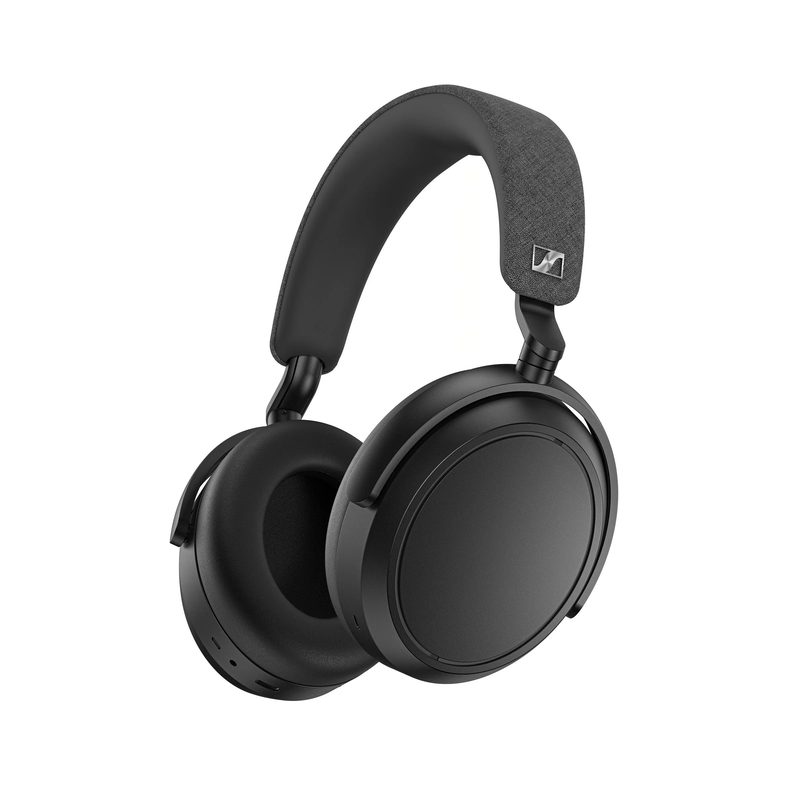
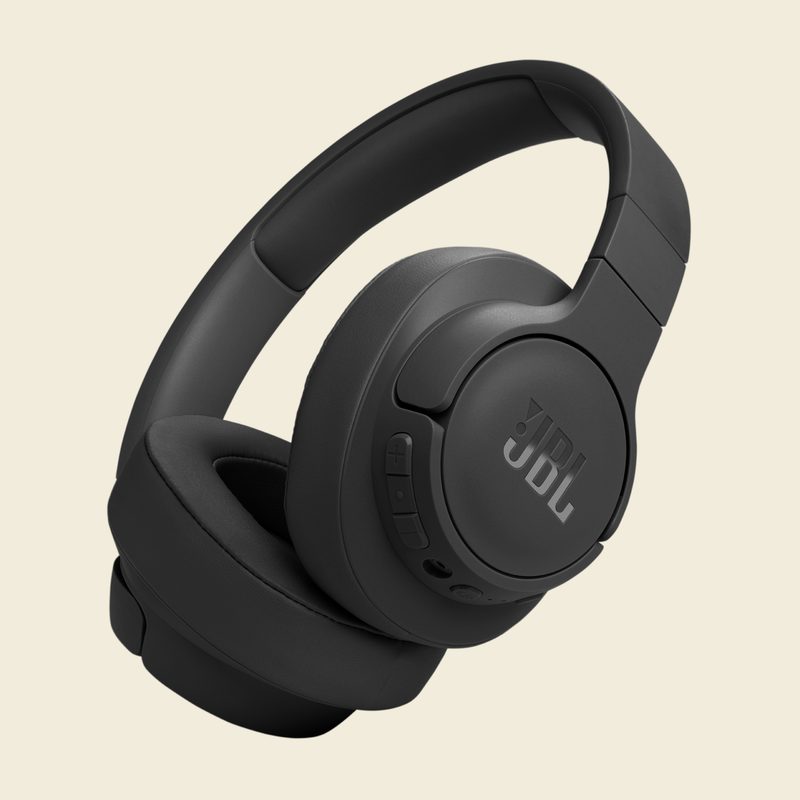
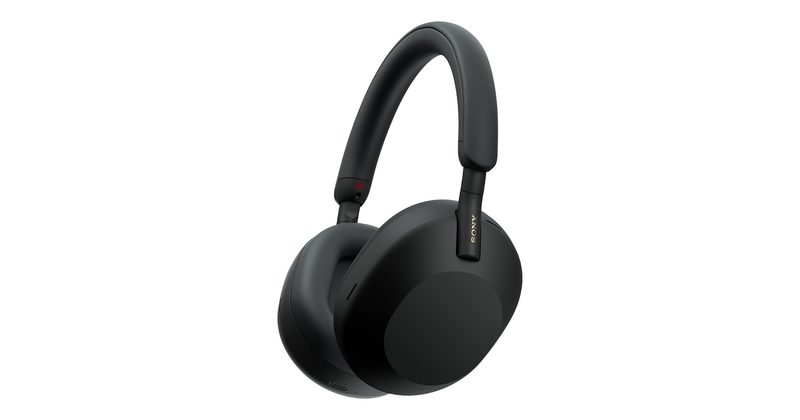
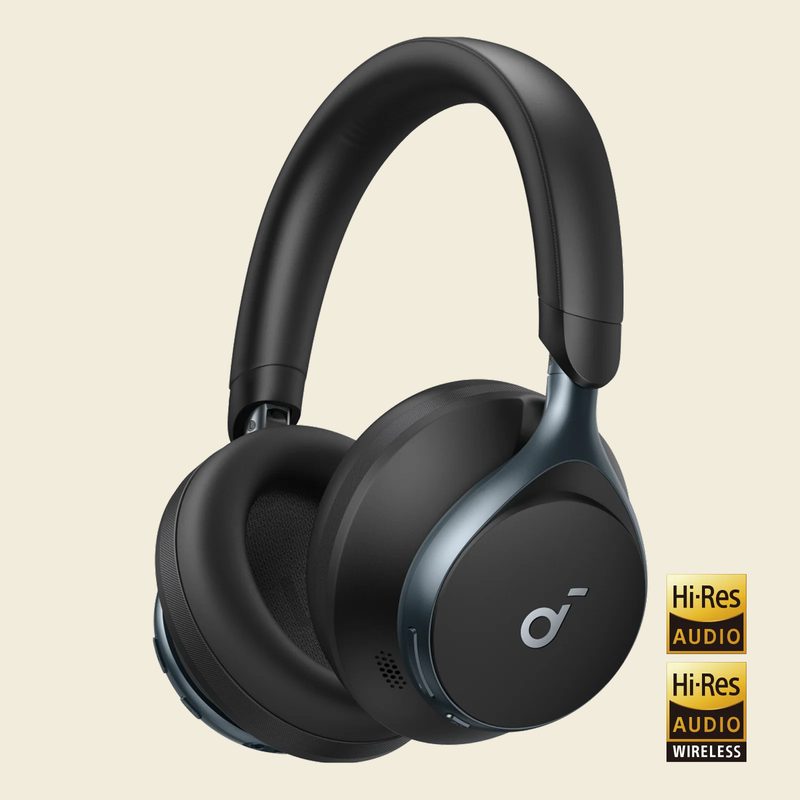
Three picks, three different priorities
Chosen from 7 models on weighted score, ANC-on endurance, and wear-all-day weight.
Manufacturers quote their longest number, which is usually measured with noise canceling off. The figure that matches real use — a long-haul flight, an open-plan office — is battery with ANC on, and that is the number we score. Our tracked set publishes 20–60 h: the top end covers a transpacific leg with margin, the bottom end asks for a mid-trip charge.
A useful rule of thumb: take your longest typical listening stretch, double it, and buy above that. Battery anxiety is the one thing noise canceling cannot silence.
40 h and up: charge weekly, not daily — genuine travel-set territory.
30 h class: covers a long flight plus the commute week with a weekend charge.
~20 h: fine for daily office use; plan around it on long travel days.
The wear-all-day number
Weight is a comfort spec you can score
Our set spans 232–386 g — a 150-plus-gram spread you will notice by hour two of a film. Lighter headphones disappear; heavier ones usually buy you bigger batteries or denser materials, so read weight against the battery column rather than alone.
What spec sheets do not publish is clamping force and earcup depth, the two fit factors that decide whether glasses arms dig in. Weigh what is published, and try the rest in person when you can.
The codec line
LDAC and aptX Adaptive: who can use hi-res
Standard Bluetooth audio compresses; hi-res codecs carry more of the recording. Four of the six headphones we track publish LDAC or aptX Adaptive support — but your phone has to speak the same codec: LDAC lives on Android, aptX Adaptive needs a Snapdragon Sound device, and iPhones stick to AAC regardless.
Bluetooth version numbers (5.2 through 5.4 in our set) matter less than the codec list — they mostly bring efficiency and connection refinements. If you want the same brands filling a room instead of your ears, our Bluetooth speaker comparison scores those too — and if you need a mic for chat, a gaming headset is the right tool instead.
The data
Full spec comparison
Sorted by weighted score, highest first. Missing specs show as — and are
excluded from that model's score with the remaining weights rescaled.
Full formula on the methodology page ↗
Source: official manufacturer specifications and Amazon
owner-rating counts, collected 2026-09-15. No prices, no sponsored
placements — ever. Bought from the merchant, backed by their warranty
and returns.
Tip: add any contender to your Amazon cart while you compare — it stays saved there, with no obligation to buy.