As an Amazon Associate I earn from qualifying purchases.
Buyer guide · CPAP backup
The best power station for CPAP, measured in nights
We track 12 power stations and score each one 0-10 on official specs. For CPAP duty the deciding question is how many nights a charge lasts, so this page adds that arithmetic to every model: usable capacity is rated Wh x 0.85, the planning draw is 40 W with the heated humidifier off and 80 W with it on, and a night is 8 hours. These are planning figures, not measurements of your machine.
Affiliate disclosure: this guide contains links to Amazon.
If you buy through them we may earn a commission at no extra cost to you.
Rankings here are computed from official specs and owner-review counts —
commissions never enter the formula.
The shortlist
Quick picks for CPAP users
Three units for three situations. The full table, with the math, is below.
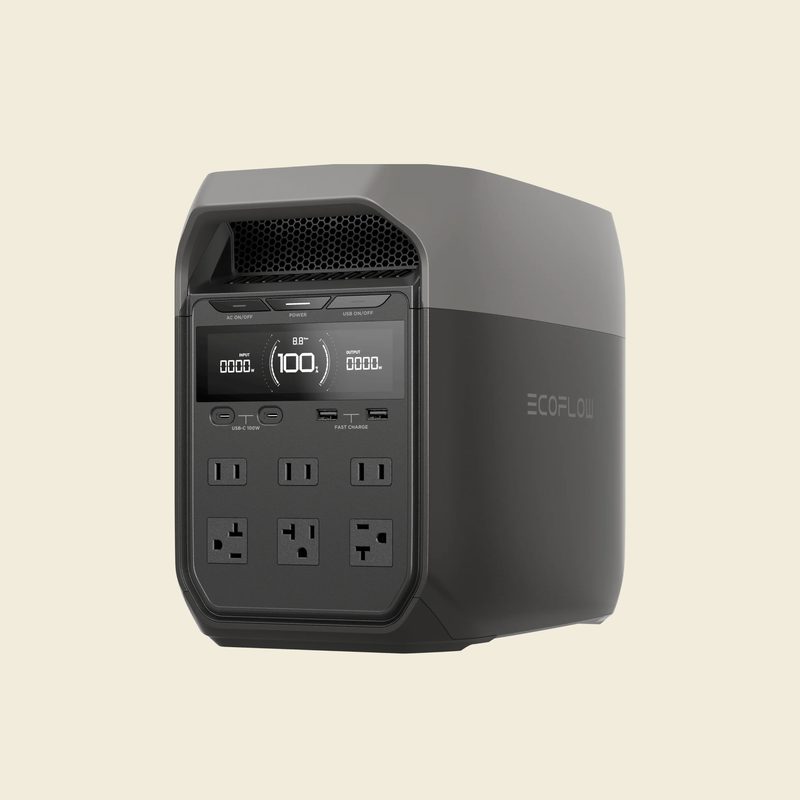
The highest-scoring 1 kWh unit we track: 1,024 Wh works out to 2.7 nights with the humidifier off, and 27.6 lbs is still a one-person carry to the bedside.
*Usable capacity is rated Wh x 0.85, the same planning figure our outage and CPAP camping guides publish. Nights = usable Wh / (draw x 8 h). With the heated humidifier off we plan at 40 W; with the humidifier and heated hose on, 80 W. The humidifier roughly doubles the nightly draw.
Machines differ. ResMed, Philips, and Breas units draw differently, and pressure settings move the number. Check your power brick's rating and redo the arithmetic before relying on any figure here.
Honest limits
What this page does not tell you
We do not track fan noise or UPS switchover times, and both matter at a bedside. If silent running or zero-gap cutover is a requirement, confirm that spec on the manufacturer's own page before buying.
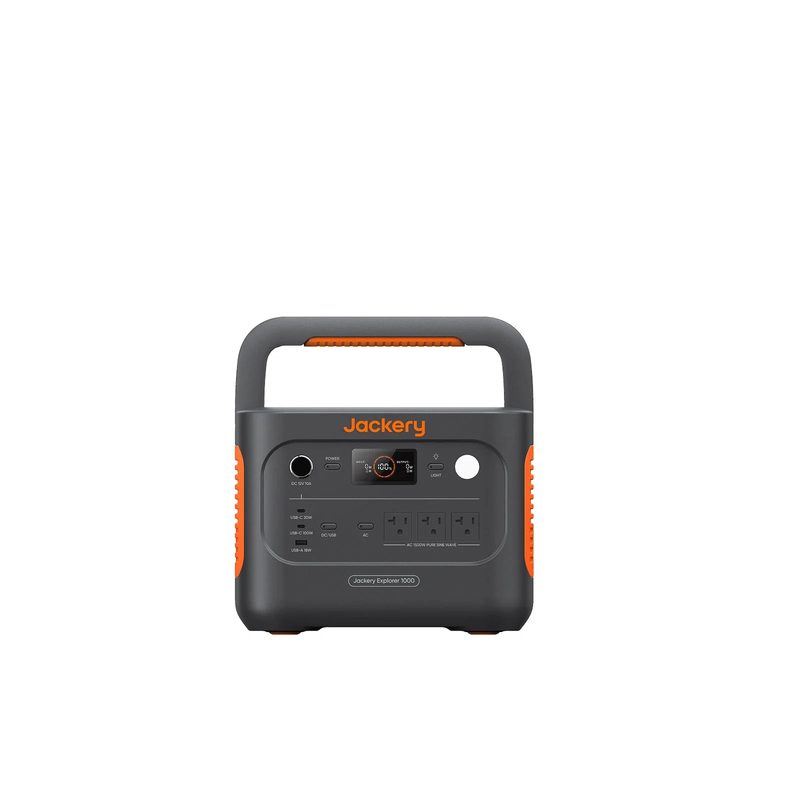
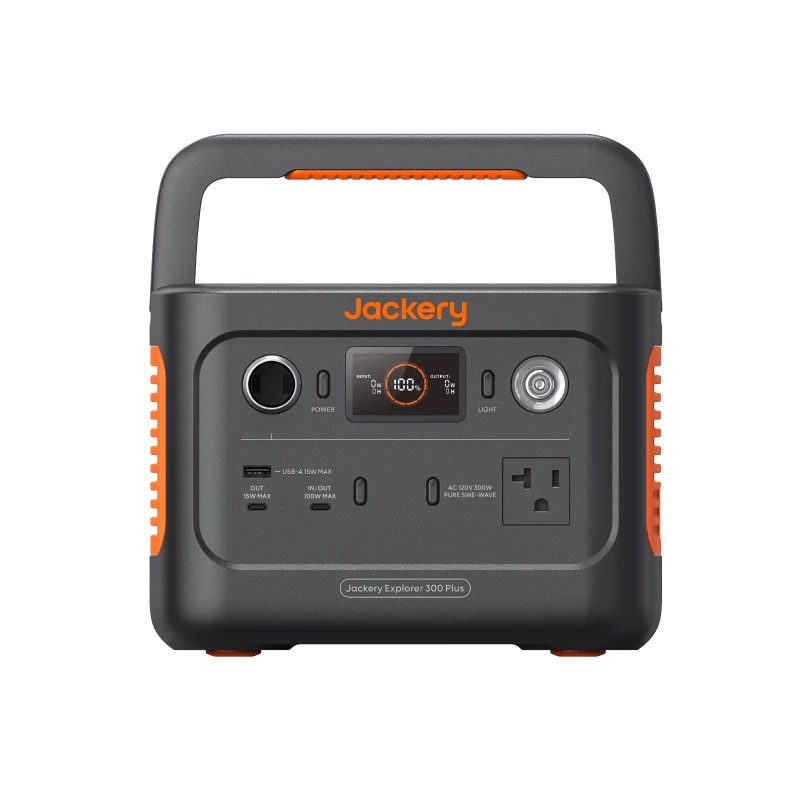
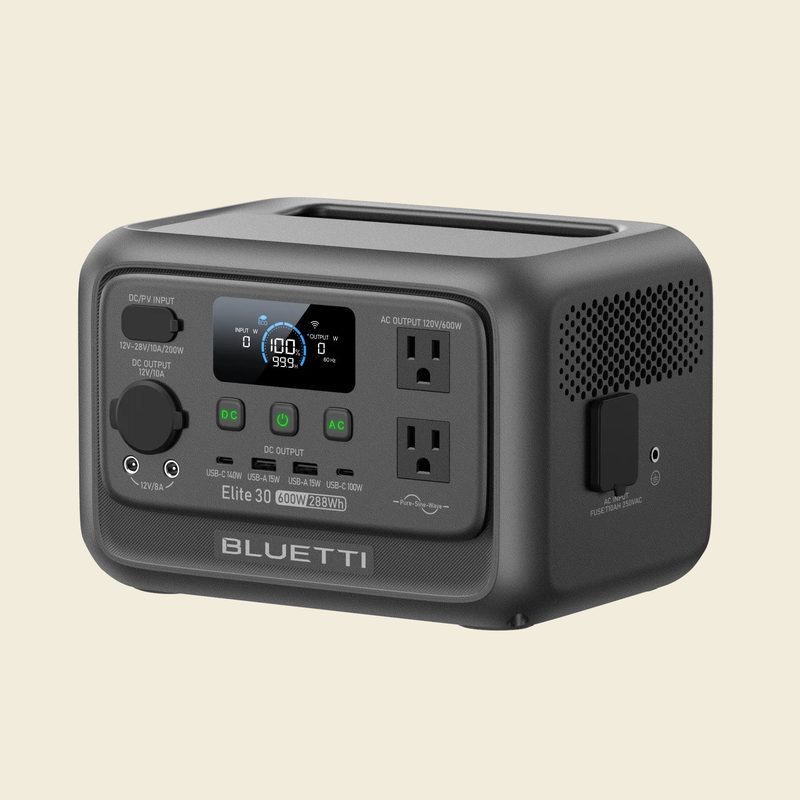
A unit under 1 kWh covers less than one humidifier-off night in this math. Small units are travel gear, not backup power for sleep therapy.
FAQ
Questions, answered
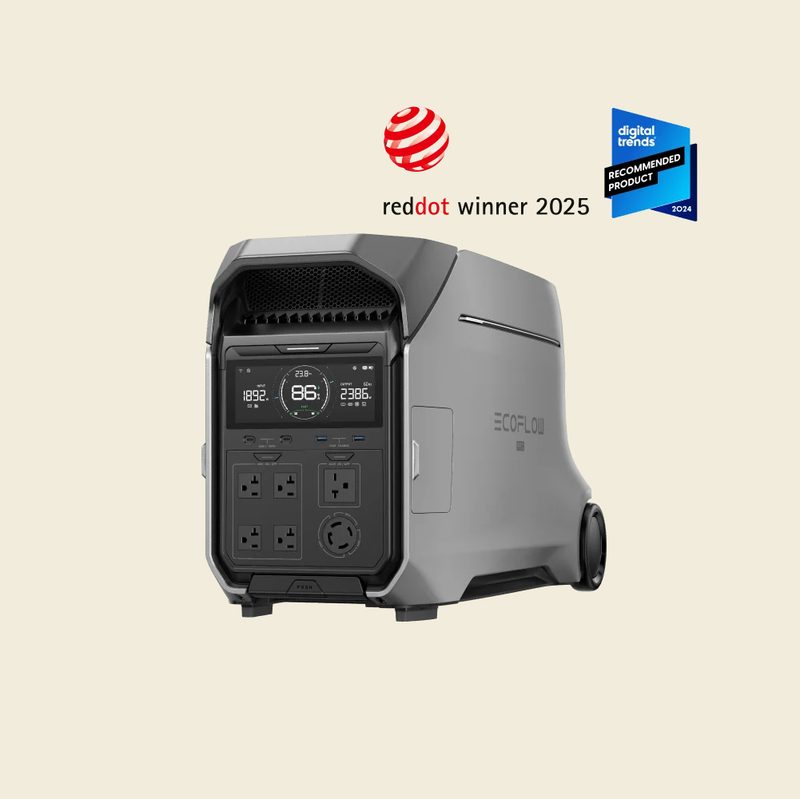
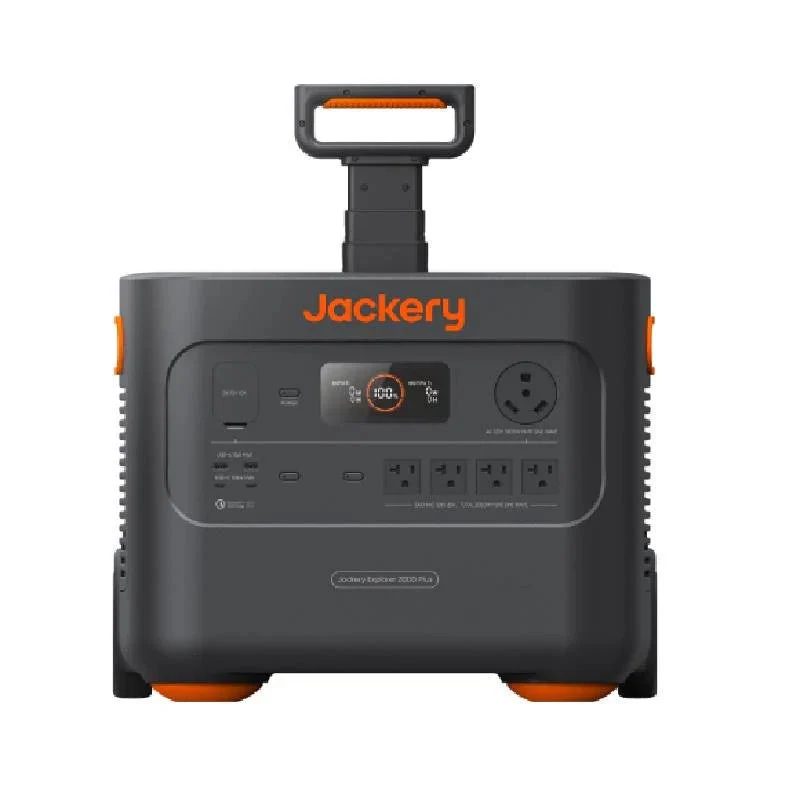
How many nights can a power station run a CPAP? At the 40 W planning draw with the humidifier off, nights = usable Wh / 320 per 8-hour night: the 1,024 Wh DELTA 3 works out to 2.7 nights, the 2,042.8 Wh Jackery 2000 Plus to 5.4, and the 4,096 Wh DELTA Pro 3 to 10.9. Small 288 Wh units come out under one night.
Do I need a big power station for CPAP? No. A 1 kWh unit covers two to three nights with the humidifier off in this math. Buy bigger only if outages run long or the humidifier stays on, since the humidifier roughly doubles the nightly draw.
Can I run a CPAP with the heated humidifier on? Yes, but plan at 80 W. That halves the nights column, so a 2 kWh-class unit then covers roughly two and a half nights.
Will a power station work as a UPS for my CPAP? We do not track switchover specs and do not claim them. If overnight cutover matters, look for a UPS or EPS rating on the manufacturer's own page.
The data
Full spec comparison
Sorted by the existing site score (0-10, official specs across all 12 tracked stations). Missing specs show as — and are
excluded from that model's score with the remaining weights rescaled.
Full formula on the methodology page ↗
Source: official manufacturer specifications and Amazon
owner-rating counts, collected 2026-09-15. No prices, no sponsored
placements — ever. Bought from the merchant, backed by their warranty
and returns.
Tip: add any contender to your Amazon cart while you compare — it stays saved there, with no obligation to buy.