As an Amazon Associate I earn from qualifying purchases.
Buyer guide · Camping
The best camping power station is the one you carry
Camping flips the ranking logic: weight matters first, then how much energy each pound buys. This page keeps the 12 tracked stations' existing 0-10 spec scores and adds the two outdoor columns, pounds and watt-hours per pound, so the carry tradeoff is visible next to the score.
Affiliate disclosure: this guide contains links to Amazon.
If you buy through them we may earn a commission at no extra cost to you.
Rankings here are computed from official specs and owner-review counts —
commissions never enter the formula.
The shortlist
Quick picks by trip style
Backpack, car, or RV: pick the carry you will actually do.
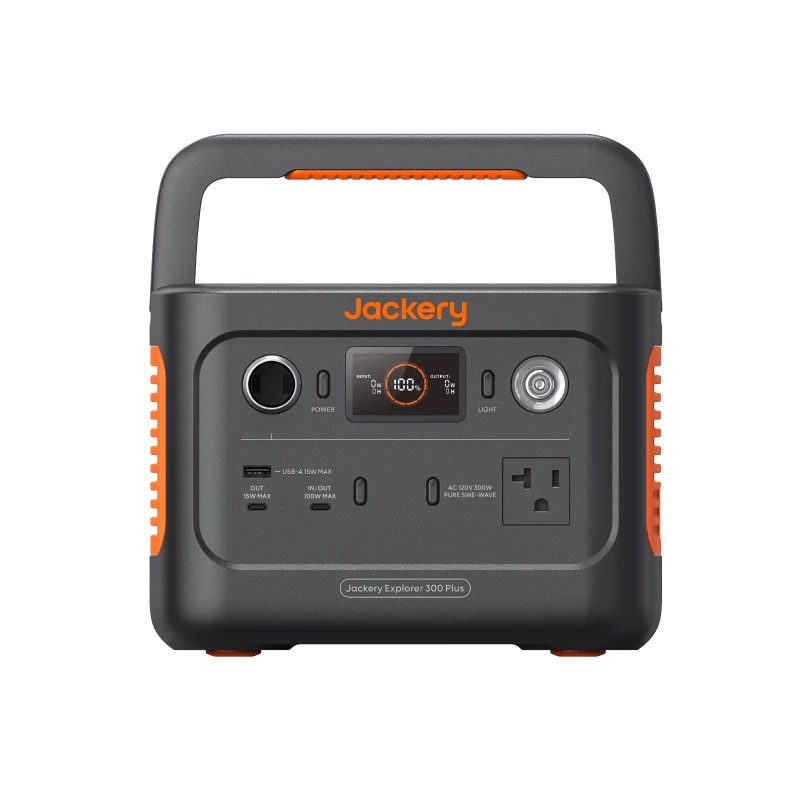
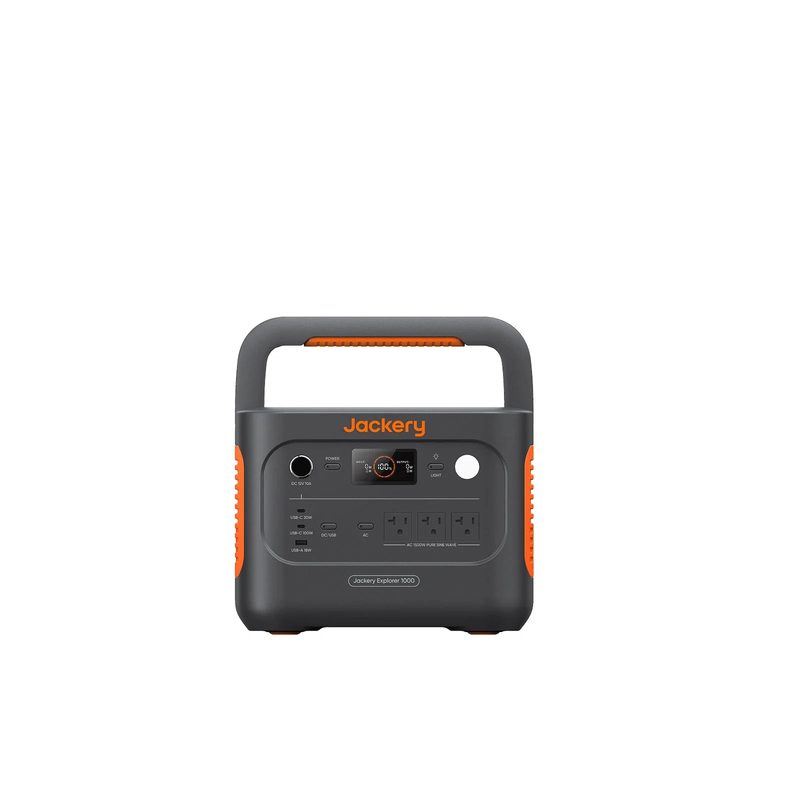
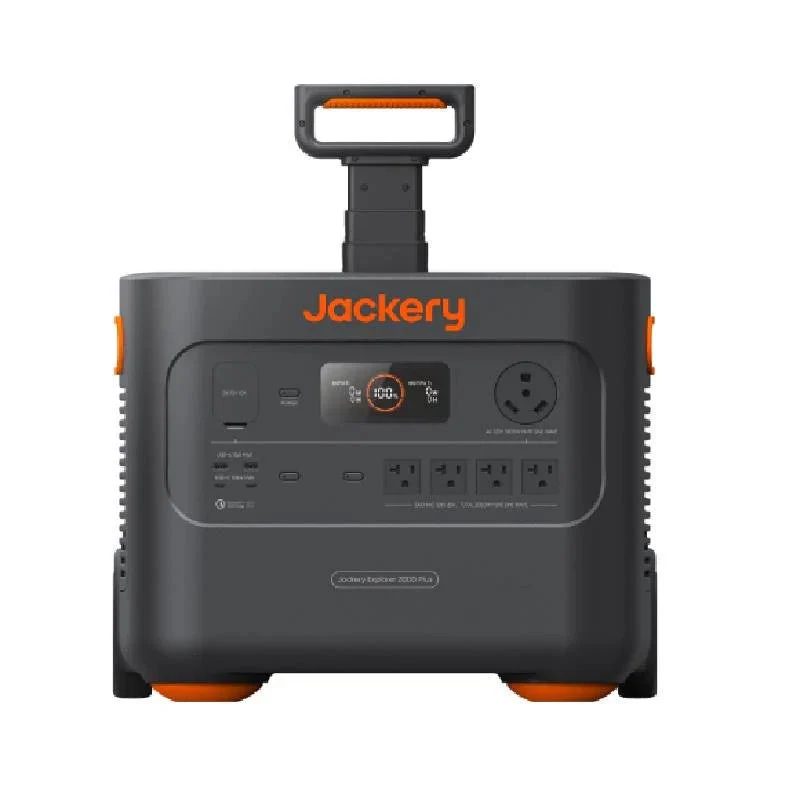
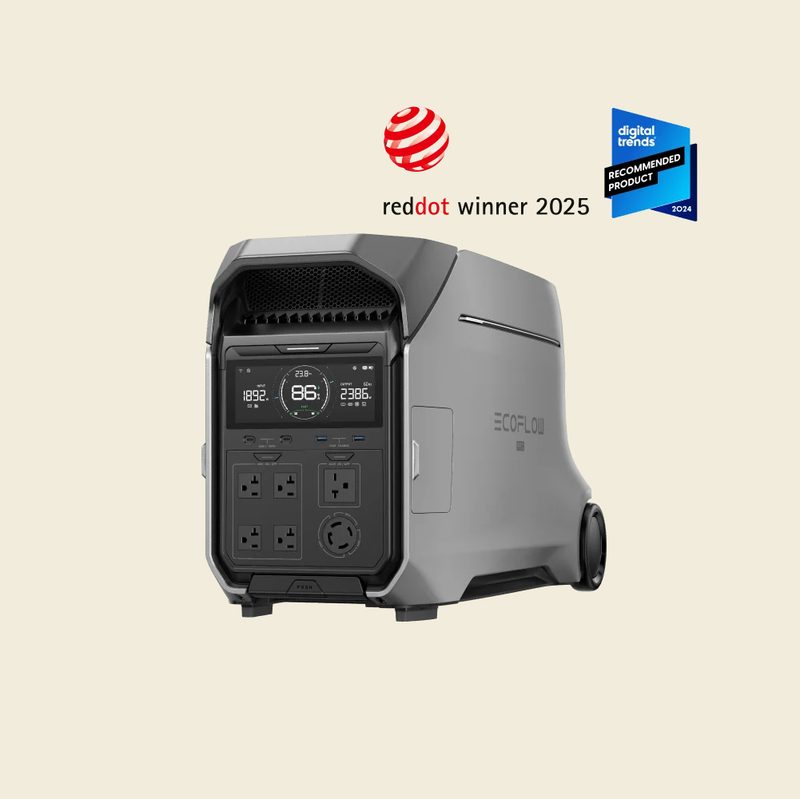
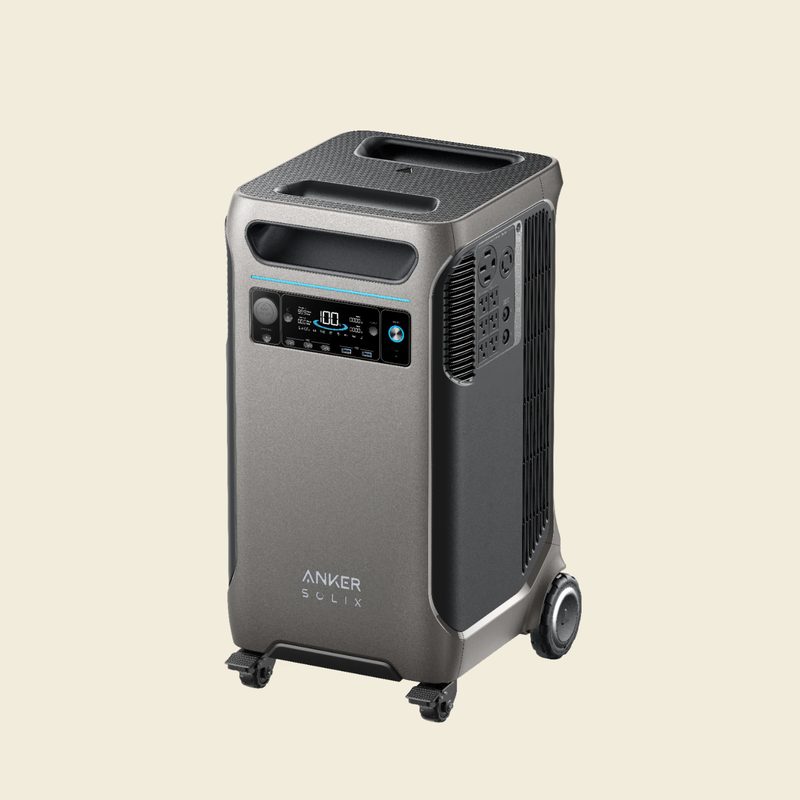
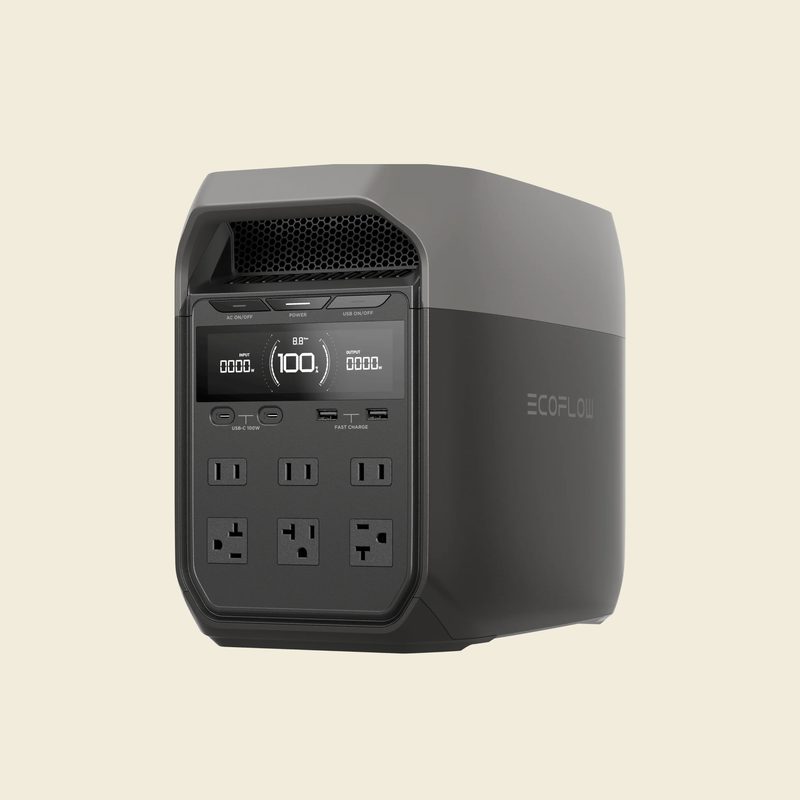
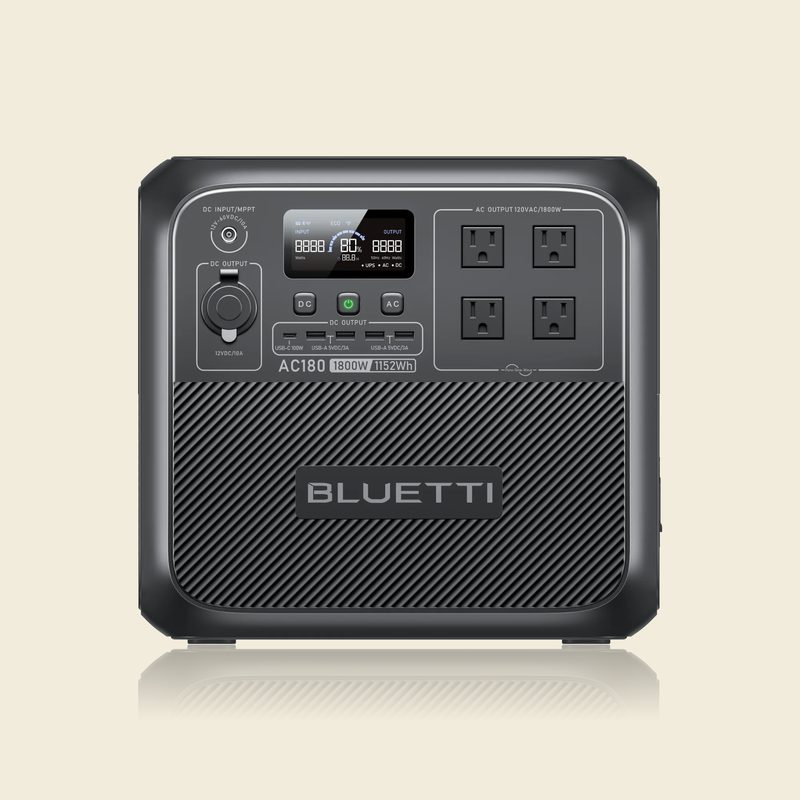
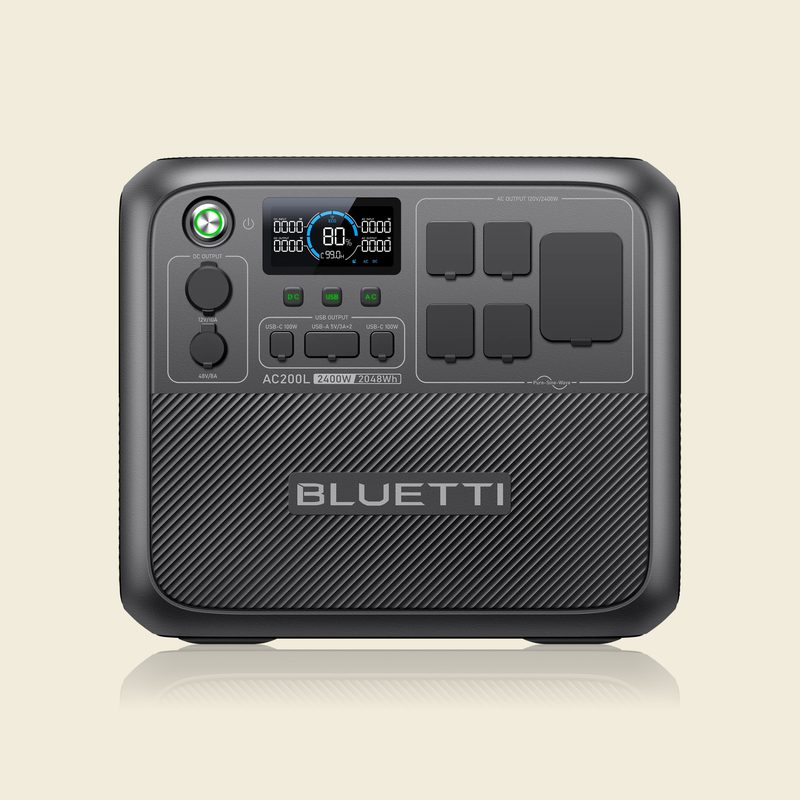
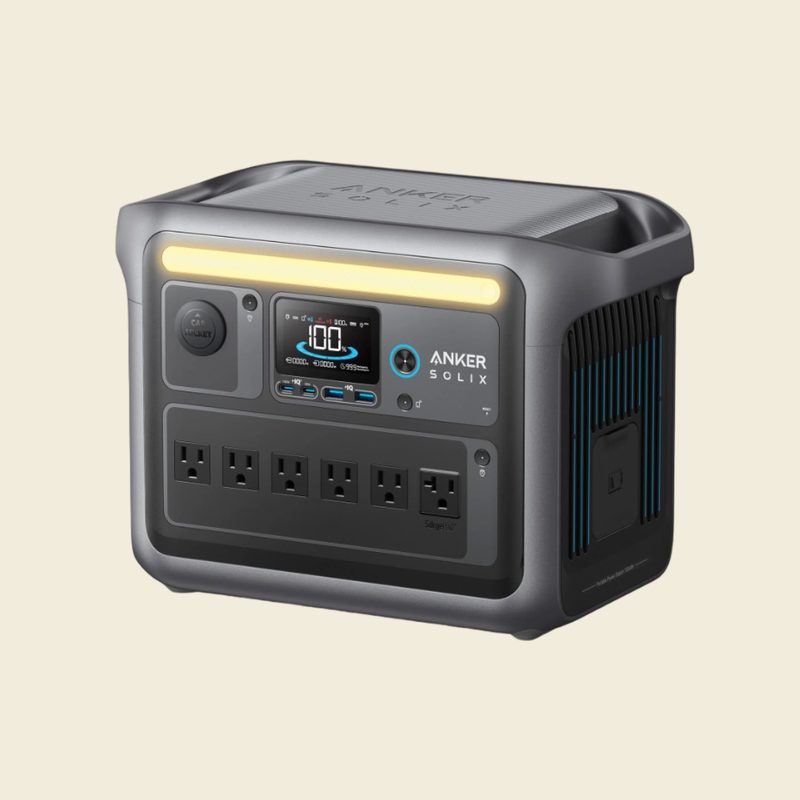
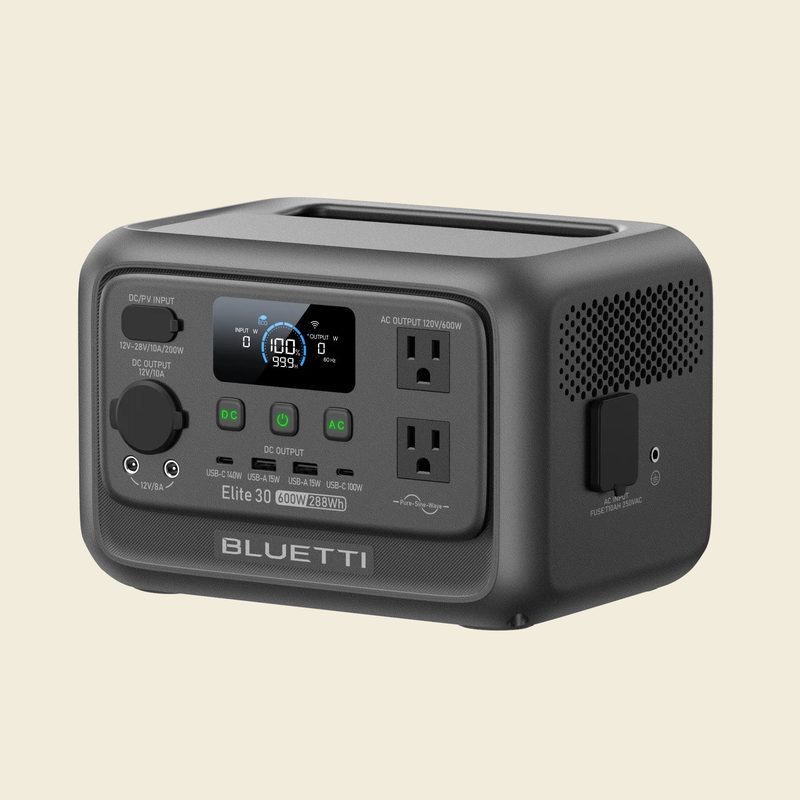
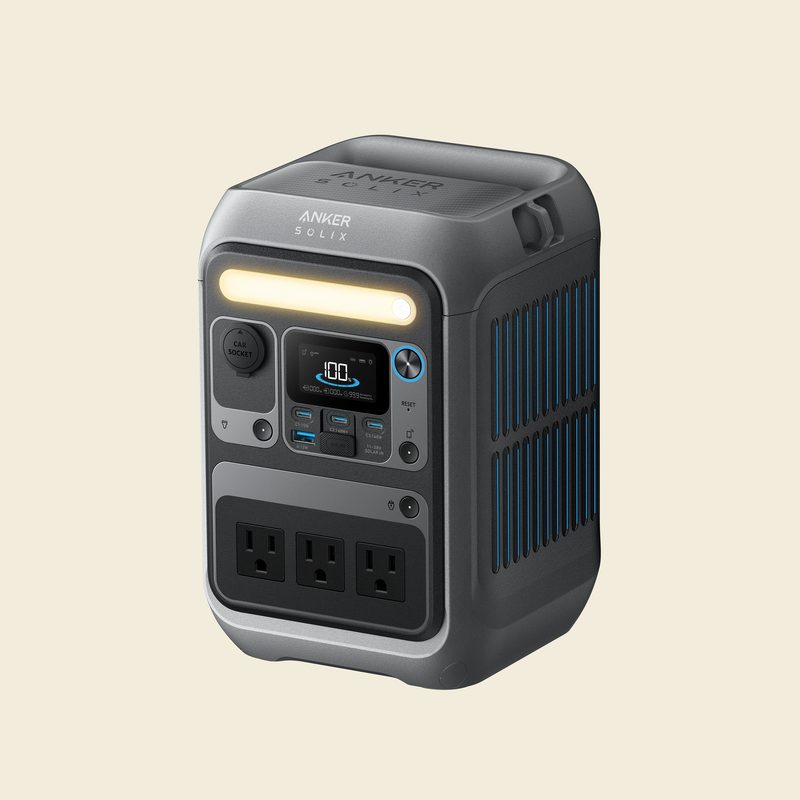
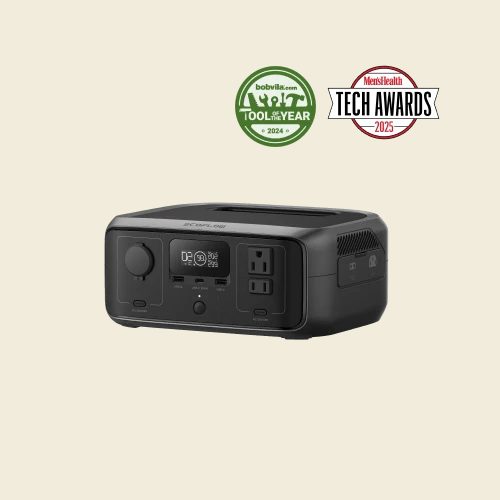
The 12 tracked stations split into three carry classes. Under 10 lbs goes in a backpack. The 24 to 36 lb 1 kWh class is a one-person carry from car to picnic table. Above 60 lbs, the unit lives in the vehicle and the camp comes to it.
Watt-hours per pound makes the tradeoff visible: the tracked set spans 30.4 to 45.0 Wh/lb, and the comparison page publishes this column for all 12. The leader is the Jackery 1000 v2 at 45.0.
Solar pairing
When a panel is worth packing
For a two-night weekend, charge at home and leave the panel: a 1 kWh unit covers typical weekend loads, and our 1 kWh guide runs that math load by load. Panels start paying off on day three.
If you do pack one, match it to the station's input limit. A 200 W panel refills a 1,024 Wh unit in about 5.1 hours of ideal sun by the same planning arithmetic the 1 kWh guide uses; real harvest is lower.
FAQ
Questions, answered
What size power station do I need for camping? For a weekend with phones, lamps, and a fan, the 1 kWh class is the practical floor; our 1 kWh guide tables the loads one by one. Sub-300 Wh units suit day trips and light tent camping.
What is a good Wh-per-pound figure? The 12 tracked units span 30.4 to 45.0 Wh/lb. The Jackery 1000 v2 leads at 45.0, and anything above 35 is a reasonable carry for most campers.
Do I need a solar panel for a weekend trip? Not for two nights if the unit leaves home full. A panel earns its pack weight from day three onward, or whenever a camping fridge joins the load list.
Can these units run a camping fridge? The 1 kWh class and up can: tracked camping fridges draw compressor power well under a 1,500 W inverter's rating. Runtime depends on the fridge's duty cycle, which our camping fridge page tables per model.
The data
Full spec comparison
Sorted by the existing site score (0-10, official specs across all 12 tracked stations). Missing specs show as — and are
excluded from that model's score with the remaining weights rescaled.
Full formula on the methodology page ↗
Source: official manufacturer specifications and Amazon
owner-rating counts, collected 2026-09-15. No prices, no sponsored
placements — ever. Bought from the merchant, backed by their warranty
and returns.
Tip: add any contender to your Amazon cart while you compare — it stays saved there, with no obligation to buy.