As an Amazon Associate I earn from qualifying purchases.
Buyer guide · Solar pairing
The best solar panel for your power station
A panel is only as useful as its match to your station's input limit and your patience in the sun. We track 10 portable panels and score each 0-10 on rated output, conversion efficiency, and portability. This page keeps those scores and adds the pairing logic that decides real refill speed.
Affiliate disclosure: this guide contains links to Amazon.
If you buy through them we may earn a commission at no extra cost to you.
Rankings here are computed from official specs and owner-review counts —
commissions never enter the formula.
The shortlist
Quick picks by pairing
Match the panel to the station first, then to the backpack.
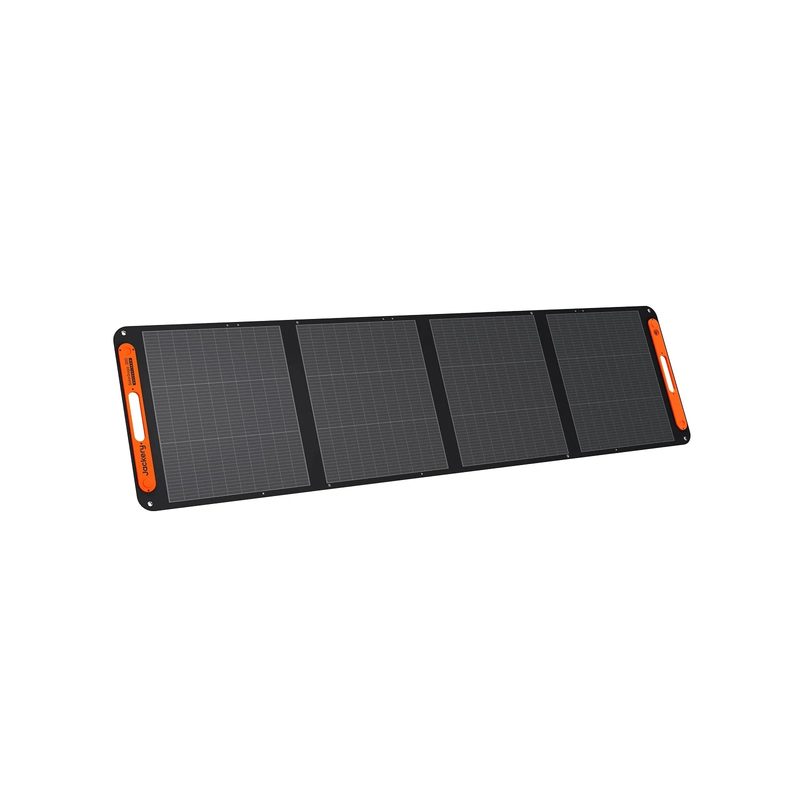
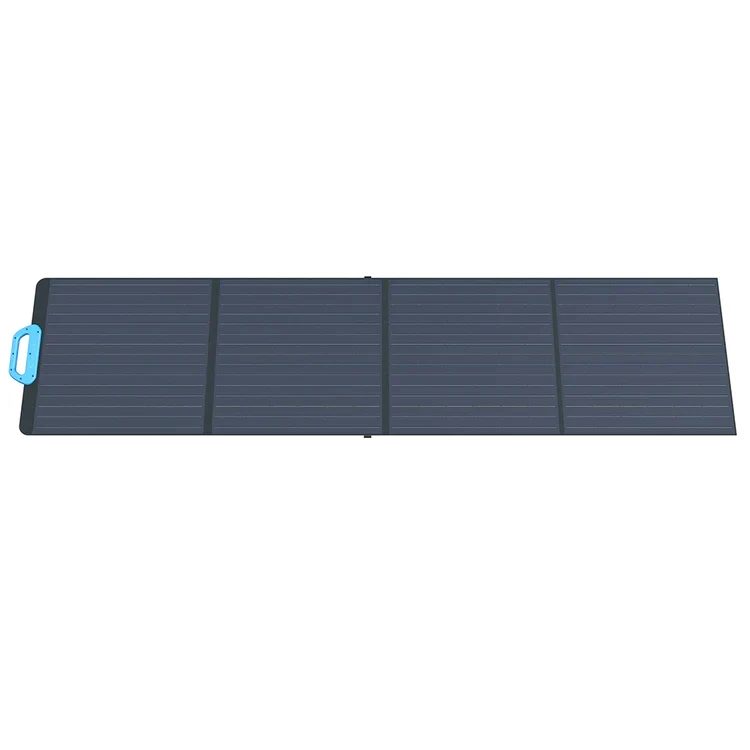
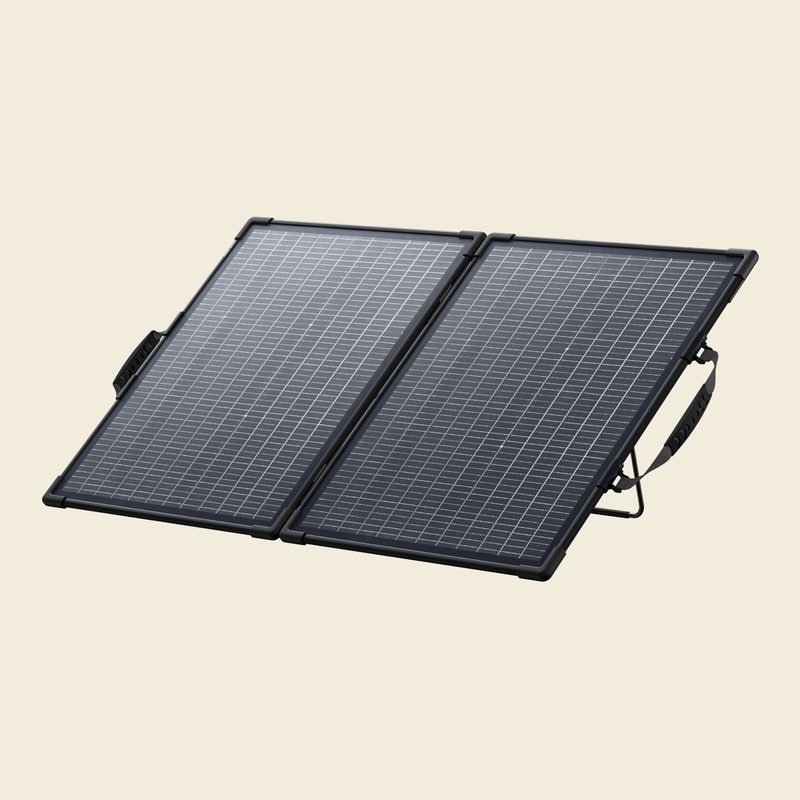
200 W at 23.4% efficiency, and the rated compatibility list covers BLUETTI's own stations. Also sold through BLUETTI's store, linked below where marked.
Every station caps incoming solar at its rated input: the tracked 288 Wh units accept 100 to 200 W, the 1 kWh class 400 to 600 W, and the largest unit 2,600 W. A 200 W panel on a 100 W-input station still harvests at 100 W, so oversizing the panel past the limit buys nothing.
Connector and voltage windows come second. The compatibility column above is what each manufacturer states; confirm the plug standard on both spec sheets before mixing brands.
Field reality
Rated watts are lab watts
The refill arithmetic on our 1 kWh guide divides capacity by rated input and calls the result ideal-sun hours. Real harvest depends on panel angle, season, and weather, so treat every hour figure on this site as a best case, not a promise.
On sealing: IP68 is the stronger rating on paper among the tracked panels, IP67 follows, and unrated models are fair-weather gear. The table shows exactly which is which, with — where the maker states nothing.
FAQ
Questions, answered
What wattage panel do I need for my power station? Match it to the station's rated solar input. The tracked 288 Wh units accept 100 to 200 W, the 1 kWh class 400 to 600 W, and the largest tracked unit 2,600 W. Oversizing past the input cap adds no charging speed.
How fast will a 200 W panel refill a 1 kWh station? Ideal-sun planning math: 1,024 Wh / 200 W comes out to about 5.1 hours of perfect exposure, the same capacity-divided-by-rated-watts arithmetic our 1 kWh guide publishes. Real days deliver less.
Do panels work across brands? Often, within limits. Some tracked panels list one brand's stations, others list universal connectors. Check the compatibility column here and the voltage window on both spec sheets before pairing.
Is IP68 worth it over IP67? On paper IP68 is the stronger seal. For trunk-and-campsite use either rating works; for gear that lives outdoors unattended, pick the sealed models and accept the weight.
The data
Full spec comparison
Sorted by the existing site score (0-10, official specs across all 10 tracked panels). Missing specs show as — and are
excluded from that model's score with the remaining weights rescaled.
Full formula on the methodology page ↗
Source: official manufacturer specifications and Amazon
owner-rating counts, collected 2026-09-15. No prices, no sponsored
placements — ever. Bought from the merchant, backed by their warranty
and returns.
Tip: add any contender to your Amazon cart while you compare — it stays saved there, with no obligation to buy.