As an Amazon Associate I earn from qualifying purchases.
Bluetooth speakers · buying guide
How to choose a Bluetooth speaker, by the numbers
The 8 speakers we track publish 12–30 h of battery and weigh 550–3,000 g — and every one carries an IP code that most listings never explain. Here is the decoder ring.
Affiliate disclosure: this guide contains links to Amazon.
If you buy through them we may earn a commission at no extra cost to you.
Rankings here are computed from official specs and owner-review counts —
commissions never enter the formula.
The shortlist
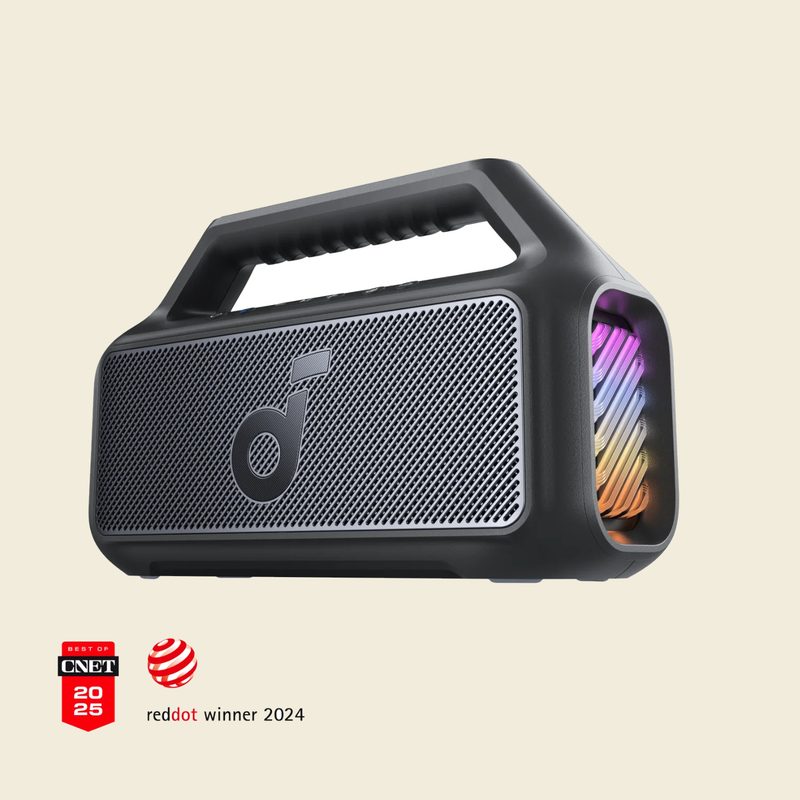
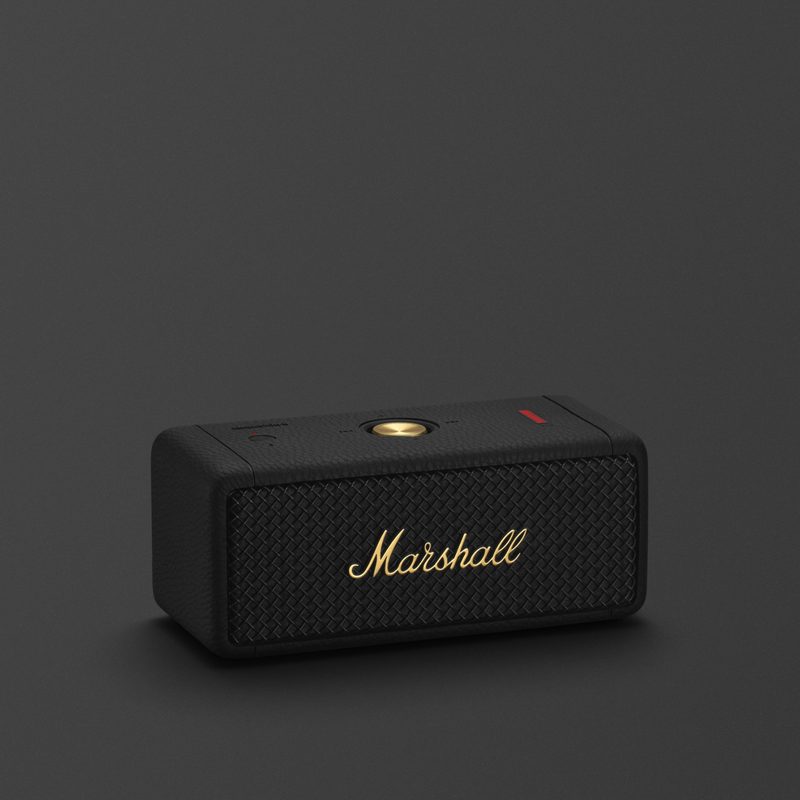
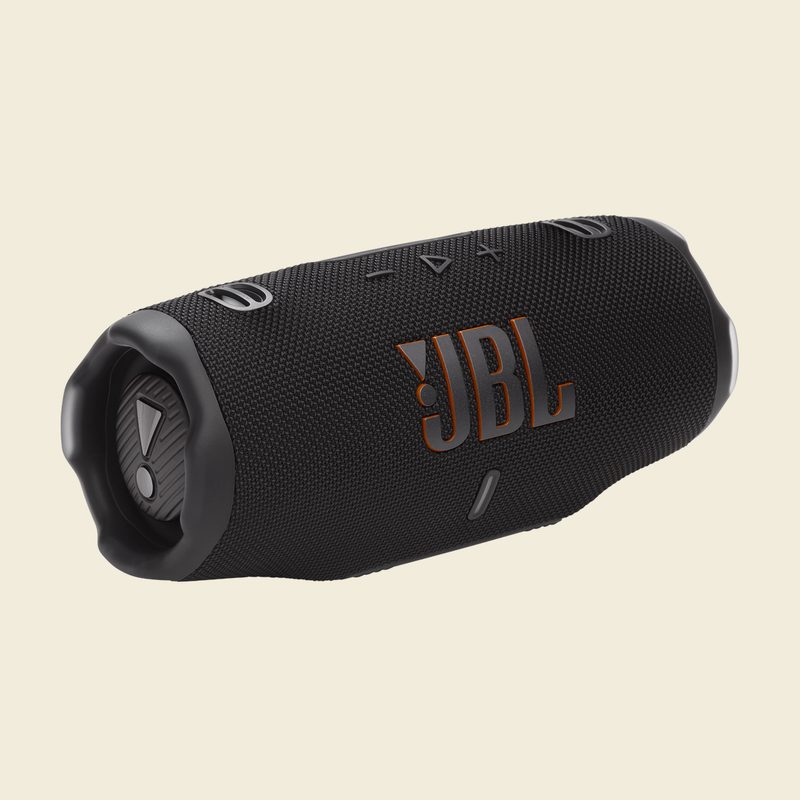
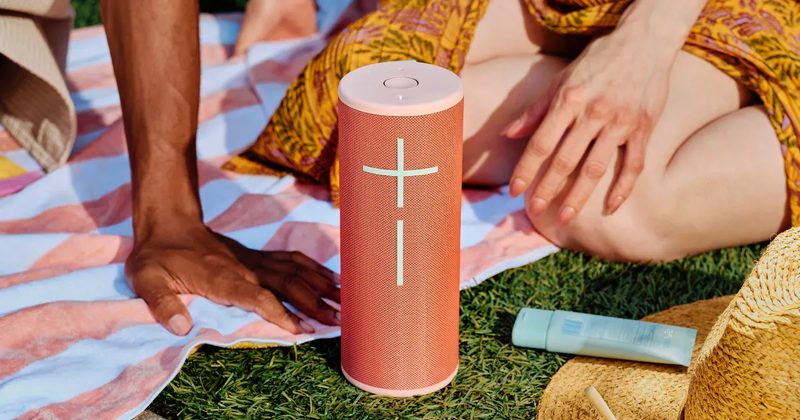
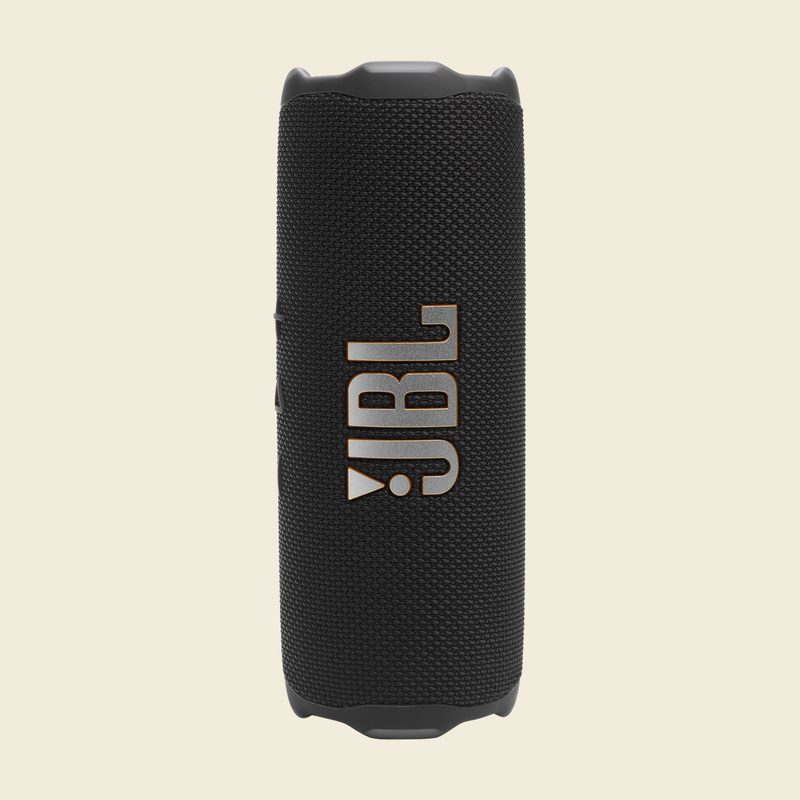
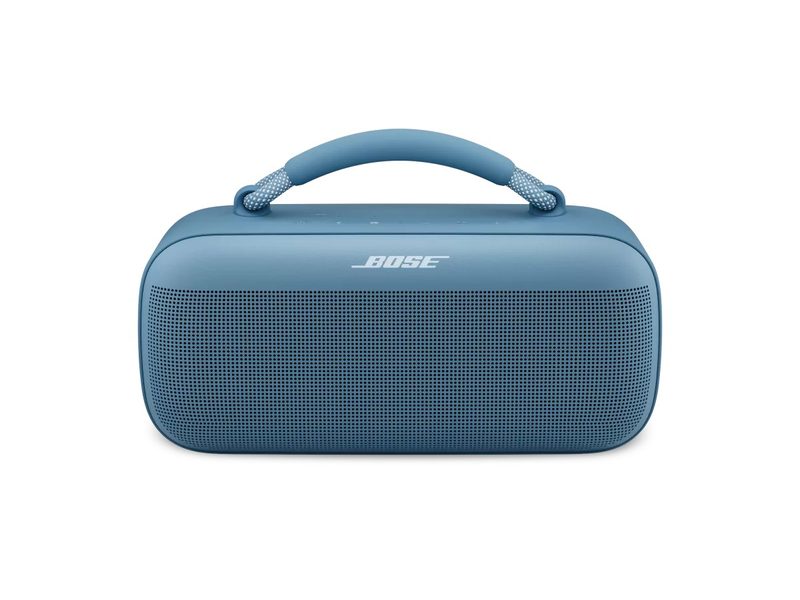
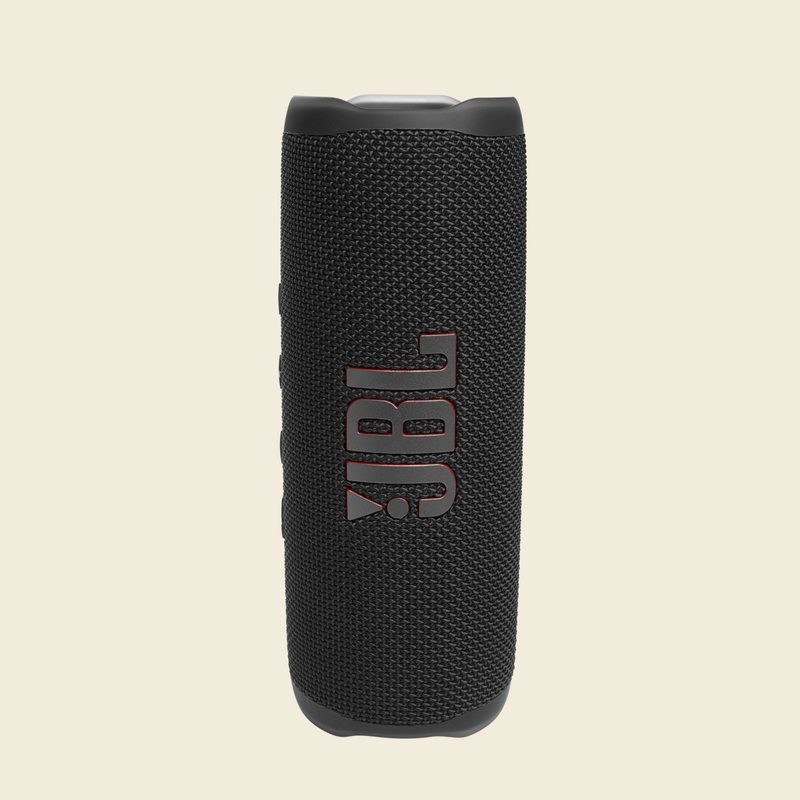
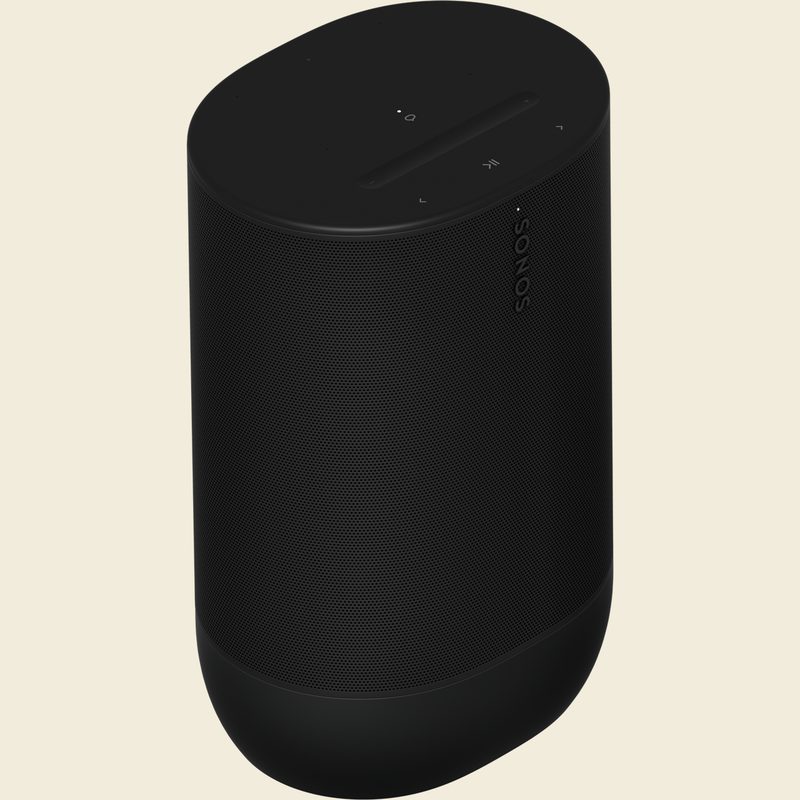
Three picks, three different priorities
Chosen from 8 models on weighted score, play time, and published output.
An IP rating is two digits: the first is dust, the second is water. An X means "not rated for that half" — so IPX7 promises immersion survival (1 m for 30 minutes) but makes no dust claim at all, while IP67 adds dust-tight sealing on top of the same immersion rating. IP56, the odd one out in our set, trades immersion for high-pressure spray resistance with partial dust protection.
Match the code to the accident you actually expect: poolside dunks and beach sand point to IP67; a shower shelf is fine at IPX7; a patio speaker that meets sprinklers and dust storms is what IP56 is built for.
IP67: the beach-and-pool sweet spot — dust-tight and dunkable.
IPX7: same water survival, no dust promise — fine for tubs and kitchens.
IP56: shrugs off jets and weather, but do not submerge it.
The playlist math
Battery hours are quoted at polite volume
Every manufacturer rates battery life at moderate listening levels, and every battery shrinks when the speaker is pushed to party volume — by how much is rarely published, so we score the rated figure and flag the caveat instead of inventing one. Our tracked set runs 12–30 h.
For day-long outings, 20-plus rated hours is the comfortable band; the 12 h end of our set is a picnic speaker, not an all-day camper. Off-grid weekends put power on the packing list too — our camping fridge and portable power station comparisons cover the rest of that kit.
The size question
Watts and grams move together
Rated output in our set spans 20–80 W among the brands that publish a figure — and watts alone do not predict loudness, because driver area and enclosure volume do much of the work. What watts do signal is intent: 20 W is a personal speaker, 80 W is built to carry a yard.
Weight draws the same map: our set runs 550–3,000 g, from a 550 g sling-anywhere cylinder to 3 kg movers with handles. Buy the heaviest speaker you will genuinely carry — the best-sounding speaker is the one that actually leaves the house.
The data
Full spec comparison
Sorted by weighted score, highest first. Missing specs show as — and are
excluded from that model's score with the remaining weights rescaled.
Full formula on the methodology page ↗
Source: official manufacturer specifications and Amazon
owner-rating counts, collected 2026-09-15. No prices, no sponsored
placements — ever. Bought from the merchant, backed by their warranty
and returns.
Tip: add any contender to your Amazon cart while you compare — it stays saved there, with no obligation to buy.