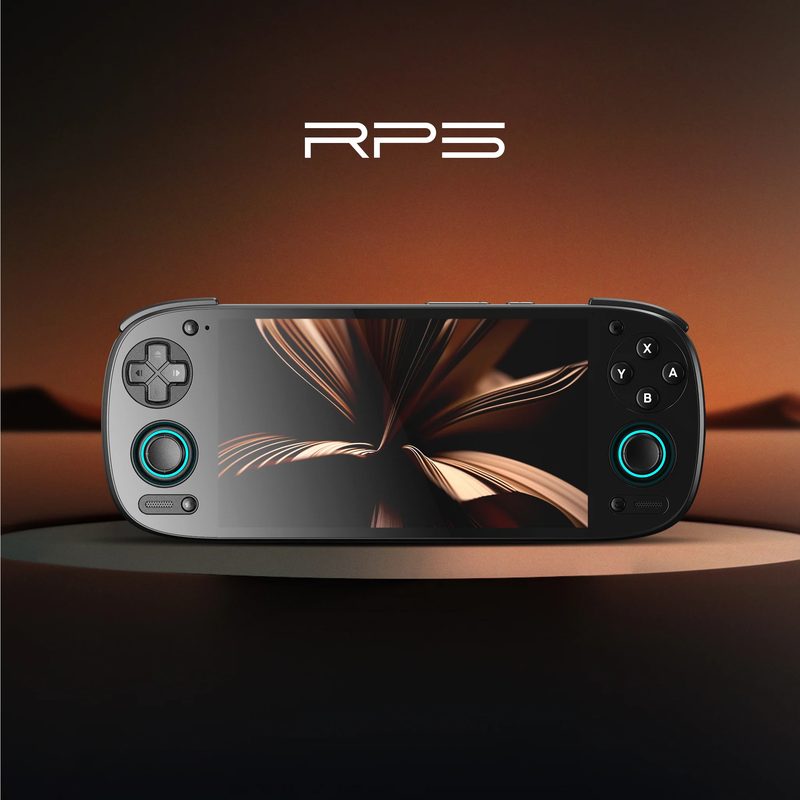
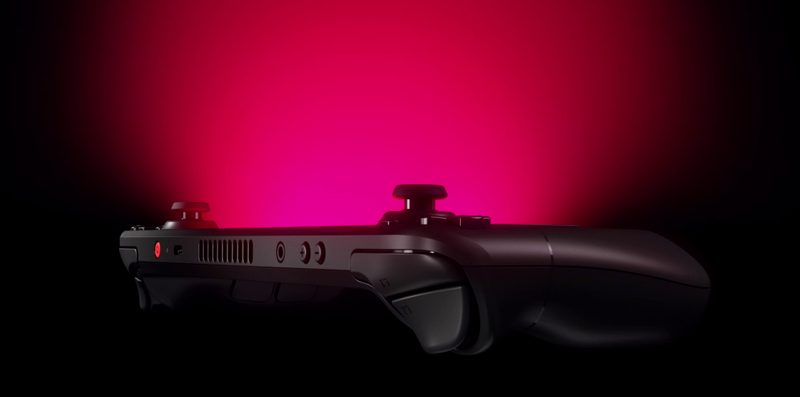
As an Amazon Associate I earn from qualifying purchases.
Gaming handhelds · buying guide
How to choose a gaming handheld, by the numbers
The 6 handhelds we track span 280–920 g, 60–144 Hz screens, and 128–1,024 GB of built-in storage. The spec that matters most is the one some brands do not publish — here is how to read all of them.
Affiliate disclosure: this guide contains links to Amazon.
If you buy through them we may earn a commission at no extra cost to you.
Rankings here are computed from official specs and owner-review counts —
commissions never enter the formula.
The shortlist
Three picks, three different priorities
Chosen from 6 models on weighted score, battery capacity, and screen speed.
Milliamp-hours sound big and compare badly, because mAh only means something at a known voltage. Watt-hours are the actual energy in the tank — and the number that predicts how long a demanding game runs. Among the models we track that publish one, batteries run 50–80 Wh.
Two of our five tracked handhelds publish capacity only in mAh, so we leave the cell blank rather than guess. The scoring math re-balances automatically — but when you shop, treat a missing Wh figure as a question to ask, not a spec to assume.
~80 Wh: the current PC-handheld ceiling — built for AAA sessions away from the outlet.
~74 Wh: close behind, and often paired with a bigger, brighter screen.
mAh-only listings: look up the pack voltage and multiply — or find a teardown that did.
The carry number
Weight decides where the handheld lives
Our tracked set spans 280–920 g — from a pocketable Android device to near-kilogram PC handhelds with detachable controllers. That is not a spec race, it is two different products: one lives in a jacket pocket, the other in a backpack next to the laptop.
A caution on the heavy end: published weights sometimes include attached controllers and sometimes do not. We record the with-controllers figure where the manufacturer states it, because that is the weight your wrists actually hold.
The screen and the shelf
Refresh rate and storage are the library specs
Refresh rates in our set run 60–144 Hz. On a handheld, 120 Hz-plus is not esports decoration — it smooths the frame-rate dips portable chips inevitably have, and it makes lighter indie titles feel effortless. Resolution splits between 1080p and 1200p panels here; on a 7–9 inch screen, both are sharp.
Storage runs 128–1,024 GB built in, and modern AAA installs routinely exceed 100 GB each — so budget for a microSD card wherever you land. Audio on the go pairs naturally with a wireless headset; our gaming headset and noise-canceling headphone comparisons cover both styles of play.
The data
Full spec comparison
Sorted by weighted score, highest first. Missing specs show as — and are
excluded from that model's score with the remaining weights rescaled.
Full formula on the methodology page ↗
Source: official manufacturer specifications and Amazon
owner-rating counts, collected 2026-09-15. No prices, no sponsored
placements — ever. Bought from the merchant, backed by their warranty
and returns.
Tip: add any contender to your Amazon cart while you compare — it stays saved there, with no obligation to buy.