As an Amazon Associate I earn from qualifying purchases.
Gaming headsets · buying guide
How to choose a gaming headset, by the numbers
Across the 6 headsets we track, drivers run 40–53 mm, wireless battery runs 30–80 hours, and weight runs 240–345 g. Here is how to read those three numbers before you read anything else.
Affiliate disclosure: this guide contains links to Amazon.
If you buy through them we may earn a commission at no extra cost to you.
Rankings here are computed from official specs and owner-review counts —
commissions never enter the formula.
The shortlist
Three picks, three different priorities
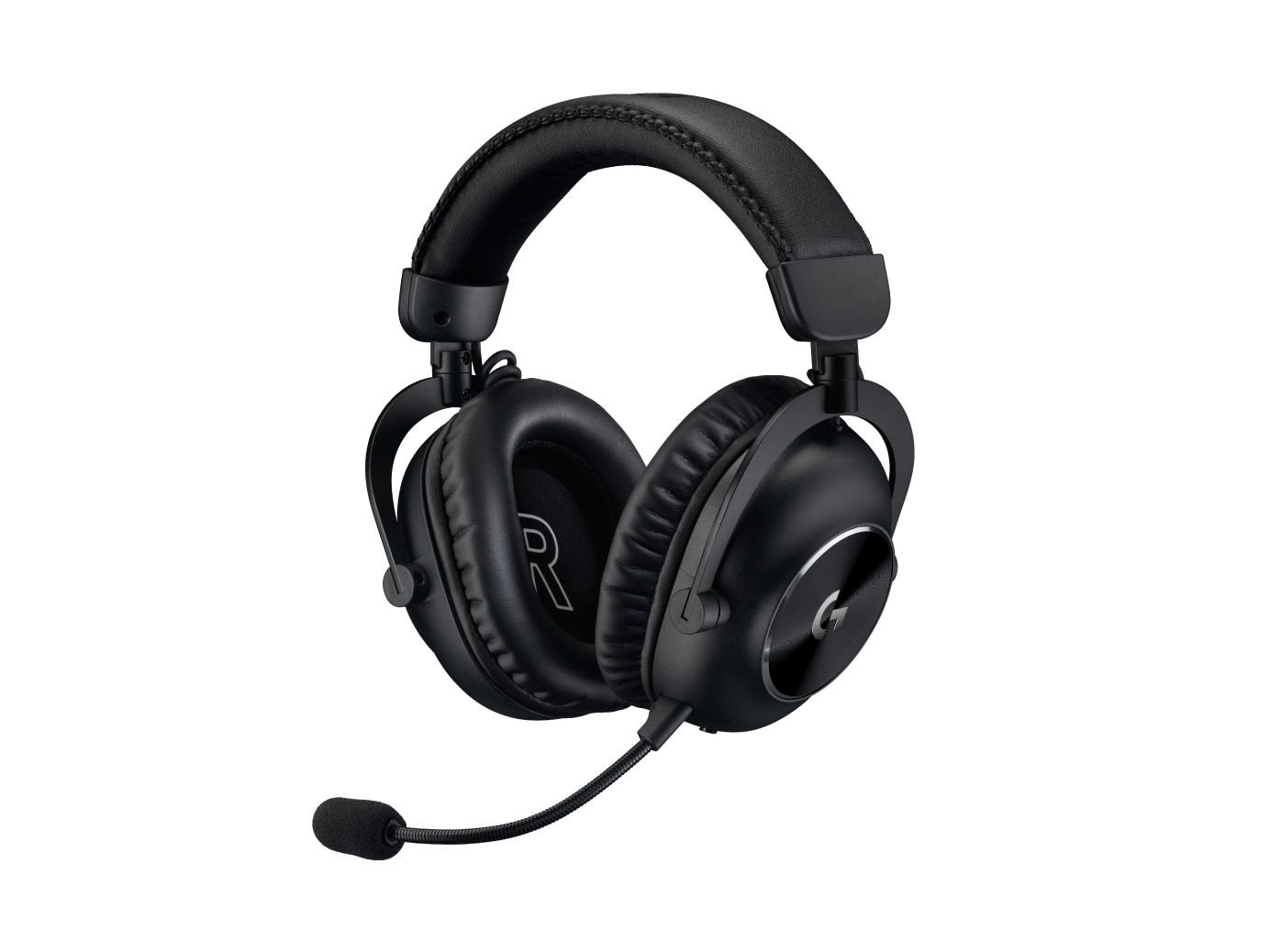
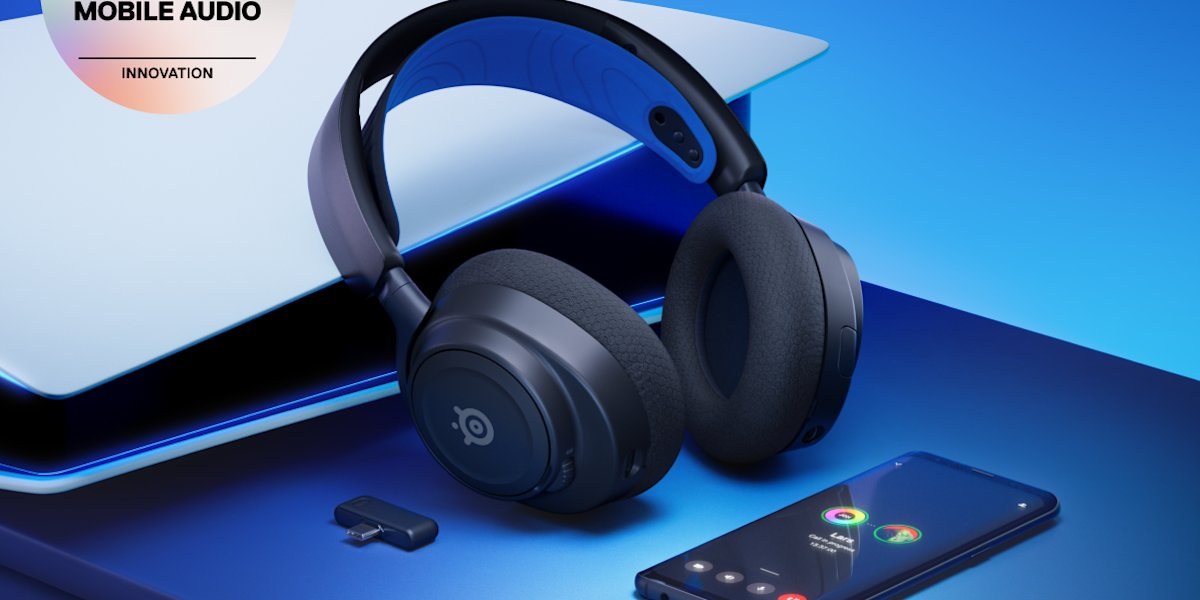
Chosen from 6 models on weighted score, battery endurance, and wear-all-night weight.
A bigger driver diaphragm moves more air with less effort, which gives the tuning more room to work with. In our tracked set the spread is 40–53 mm — but past roughly 50 mm, what you are hearing is tuning, not diameter.
That is also the honest limit of a spec sheet: no listing tells you whether the tuning is warm, bright, or scooped. Driver size tells you the ceiling; reviews from owners tell you the rest. We score the number because it is published and comparable — not because it is the whole story.
40 mm class: perfectly fine for mixed play and chat — smaller cups also tend to weigh less.
50 mm class: the mainstream gaming size, with the most headroom for positional cues.
Don't read driver size as bass volume — enclosure and tuning decide that.
Wireless math
Battery hours are a weekly question
The 2.4GHz battery figures in our set run 30–80 h. Divide by your daily play time and you get the number that actually matters: how many times a week the headset visits a cable. Two of the six models we track are wired-only and skip the question entirely — zero charging, zero wireless latency, in exchange for the tether.
If you split time between a PC desk and a handheld on the couch, a 2.4GHz dongle plus Bluetooth fallback covers both. Our gaming handheld comparison is the other half of that equation.
Wired: simplest and lowest-latency; the cable is the feature.
2.4GHz: the low-latency wireless mode that matters for play; battery figure applies here.
Bluetooth: a convenience layer for phones and handhelds, not the ranked-play path.
The comfort number
Weight is the spec you feel at hour three
Our tracked set spans 240–345 g, and the gap between the lightest and heaviest is bigger than it reads on paper — a hundred grams is the difference between forgetting the headset and adjusting it every match. Heavier models often carry bigger batteries, so the trade is real and deliberate.
What no spec sheet publishes is clamping force and earcup depth — the two comfort factors you only learn by wearing the thing. Weight is the one comfort number we can score, so we score it. Rounding out the desk? Our mechanical keyboard and gaming mouse comparisons use the same spec-first math.
The data
Full spec comparison
Sorted by weighted score, highest first. Missing specs show as — and are
excluded from that model's score with the remaining weights rescaled.
Full formula on the methodology page ↗
Source: official manufacturer specifications and Amazon
owner-rating counts, collected 2026-09-15. No prices, no sponsored
placements — ever. Bought from the merchant, backed by their warranty
and returns.
Tip: add any contender to your Amazon cart while you compare — it stays saved there, with no obligation to buy.