As an Amazon Associate I earn from qualifying purchases.
Generators · sizing guide
What size generator do you actually need?
Buy too small and the fridge kills the party; buy too big and you're hauling weight and burning fuel for nothing. Our tracked set spans 1,000–3,700 W rated — here's the sizing method.
Affiliate disclosure: this guide contains links to Amazon.
If you buy through them we may earn a commission at no extra cost to you.
Rankings here are computed from official specs and owner-review counts —
commissions never enter the formula.
List everything you'll run at once, add the running watts, then check the biggest motor load (fridge, AC, pump) against the generator's surge rating — motors pull several times their running watts at startup. Your total must fit under rated watts; your biggest appliance's startup must fit under surge watts.
The bands
Three output bands, three jobs
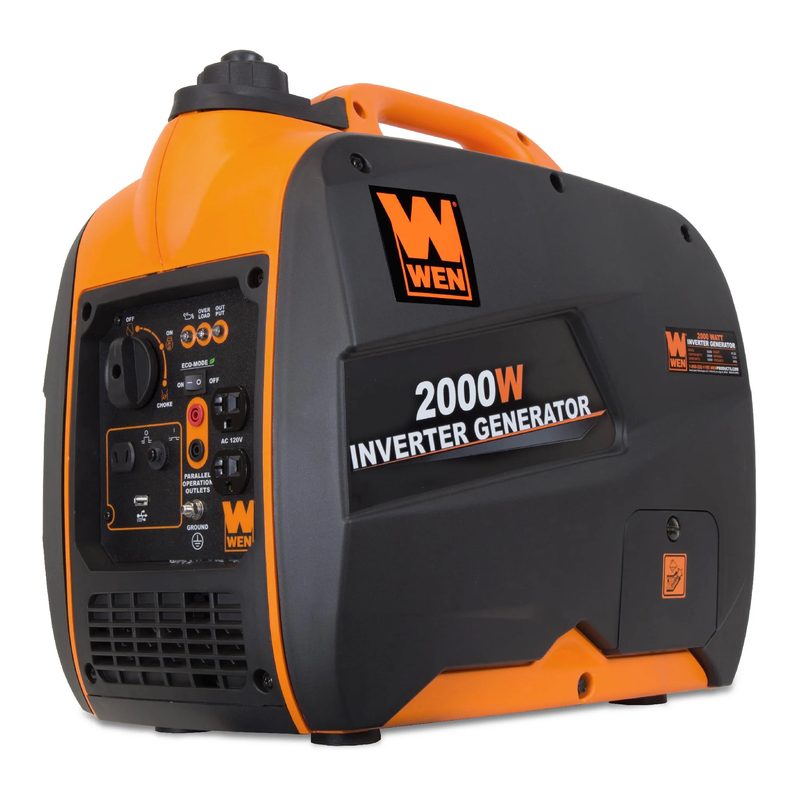
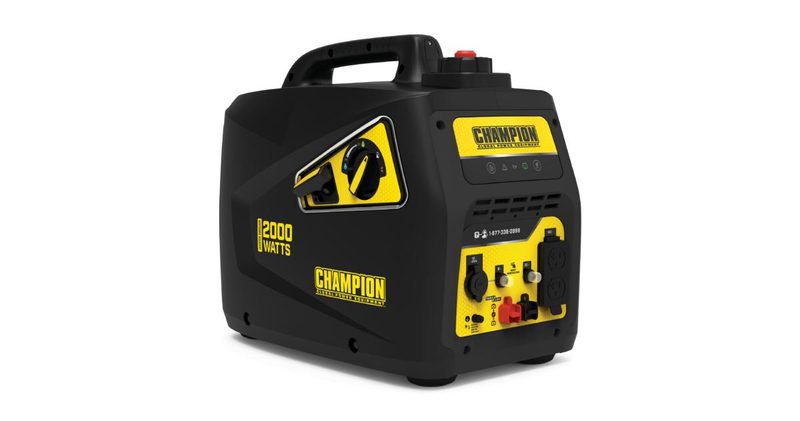
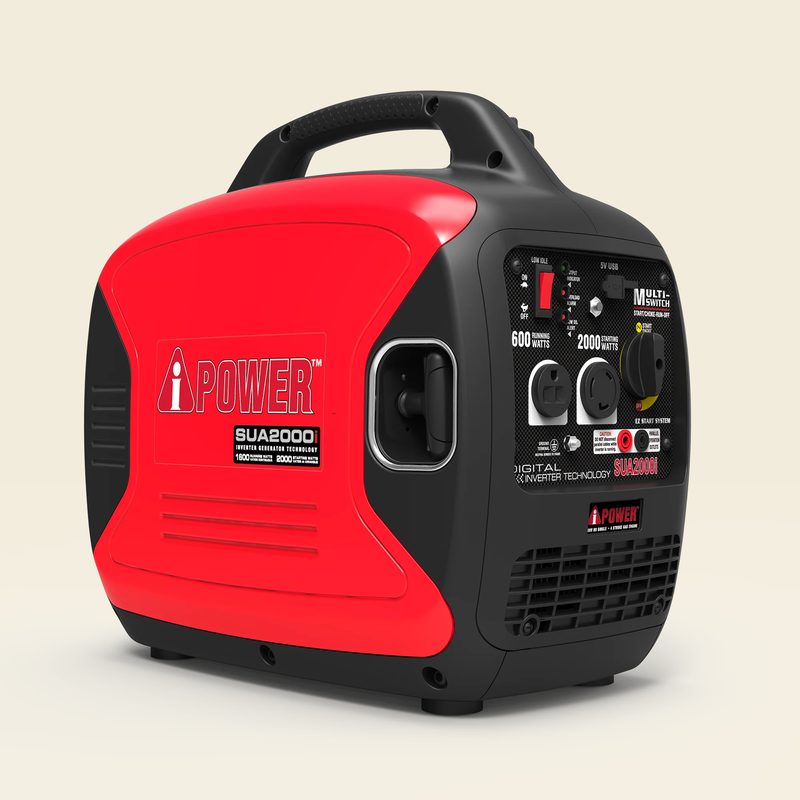
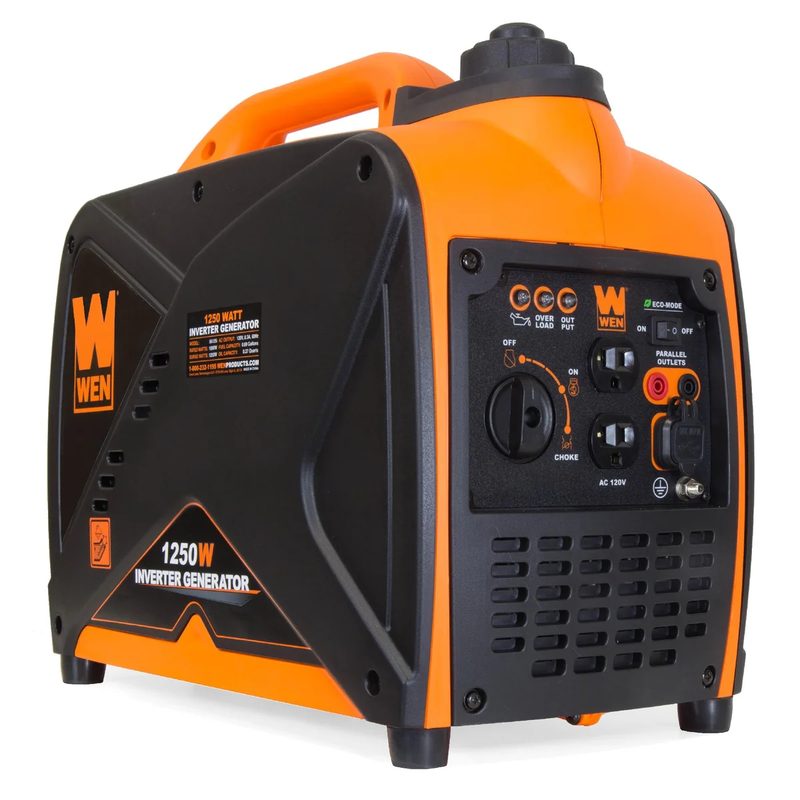
Light units around 1,000 W cover phones, laptops, lights, and a small fridge. The ~2,000 W class is the camping sweet spot — fridge plus devices with margin. 3,000 W+ units start to cover RV air conditioning and home backup duty.
Headroom rule: run at 50–75% of rated watts for quieter, longer-running, longer-lived service.
Parallel-capable models: two small units can team up — flexibility now, capacity later.
The data
Full spec comparison
Sorted by rated output (W), highest first. Missing specs show as — and are
excluded from that model's score with the remaining weights rescaled.
Full formula on the methodology page ↗
Source: official manufacturer specifications and Amazon
owner-rating counts, collected 2026-09-15. No prices, no sponsored
placements — ever. Bought from the merchant, backed by their warranty
and returns.
Tip: add any contender to your Amazon cart while you compare — it stays saved there, with no obligation to buy.