As an Amazon Associate I earn from qualifying purchases.
Robot vacuums · buying guide
Robot vacuum suction, explained
Every listing leads with a Pa number — from 5,000 Pa to 25,000 Pa across the 12 models we track. Here is what that number actually buys, and where it stops mattering.
Affiliate disclosure: this guide contains links to Amazon.
If you buy through them we may earn a commission at no extra cost to you.
Rankings here are computed from official specs and owner-review counts —
commissions never enter the formula.
The shortlist
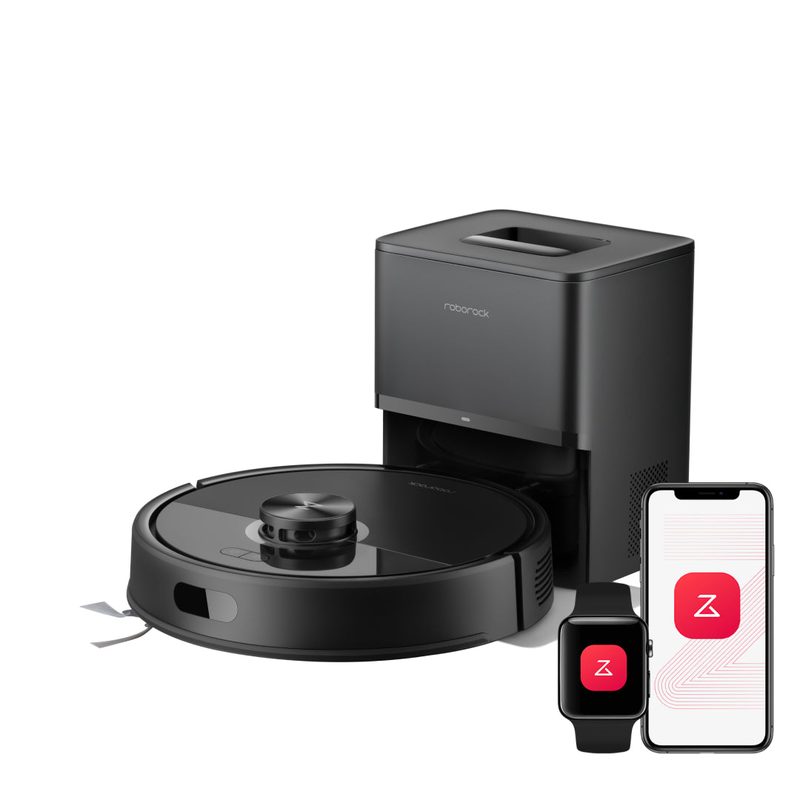
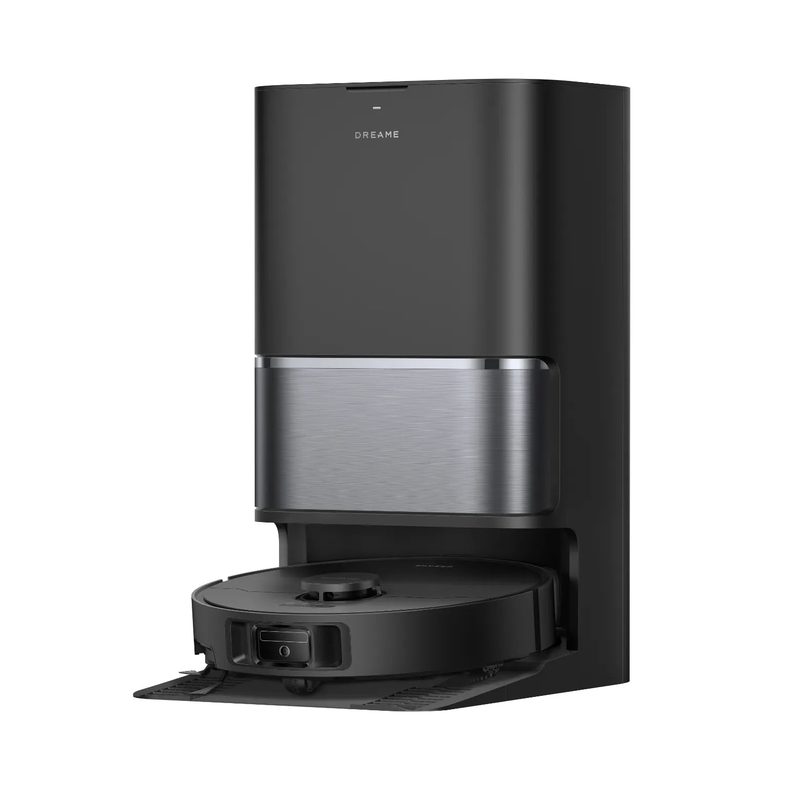
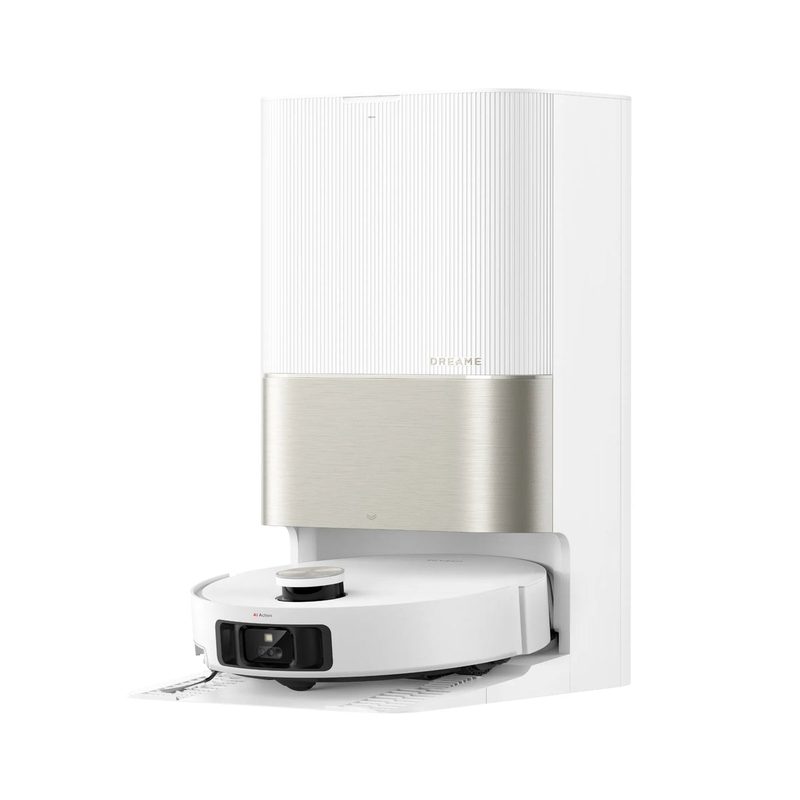
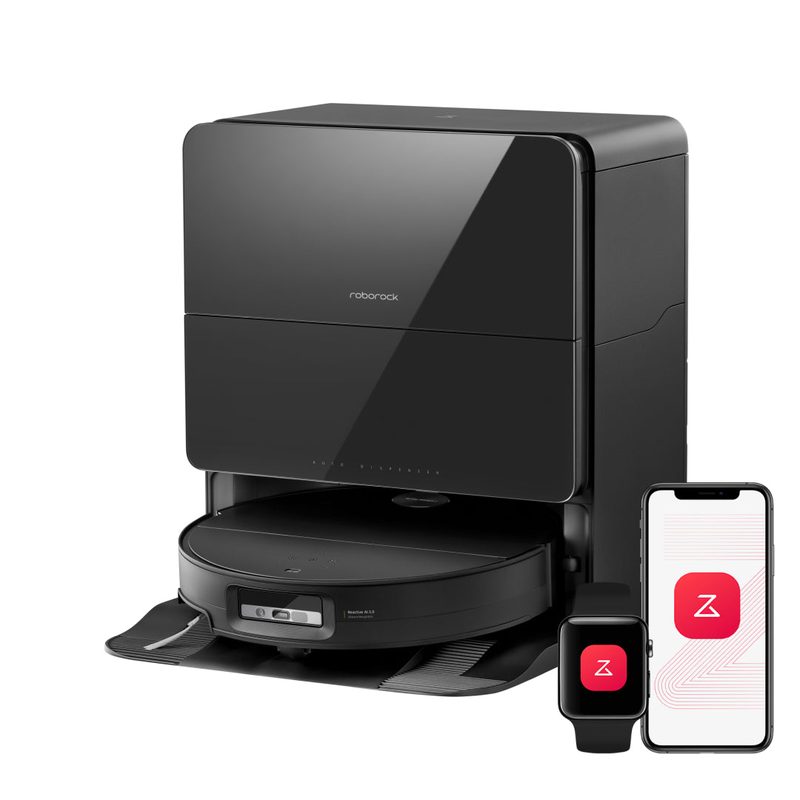
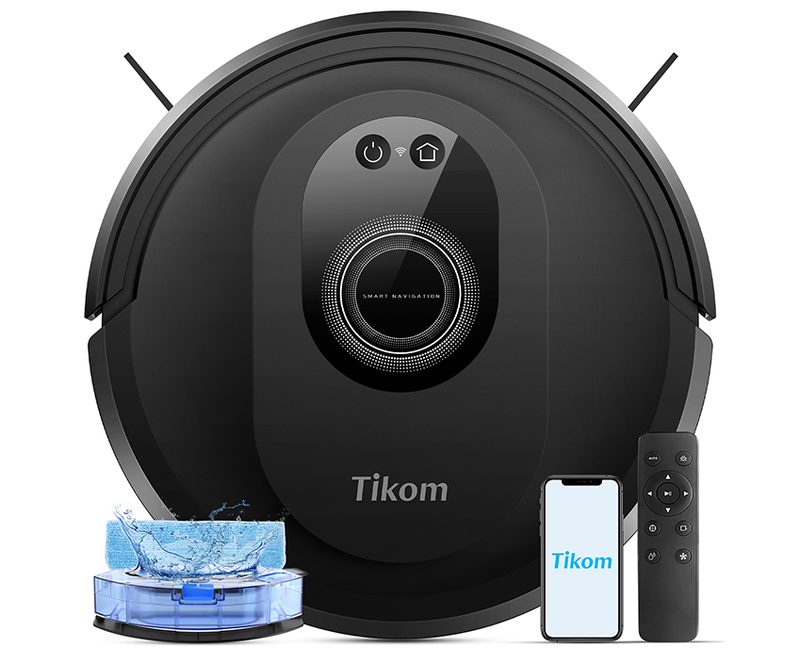
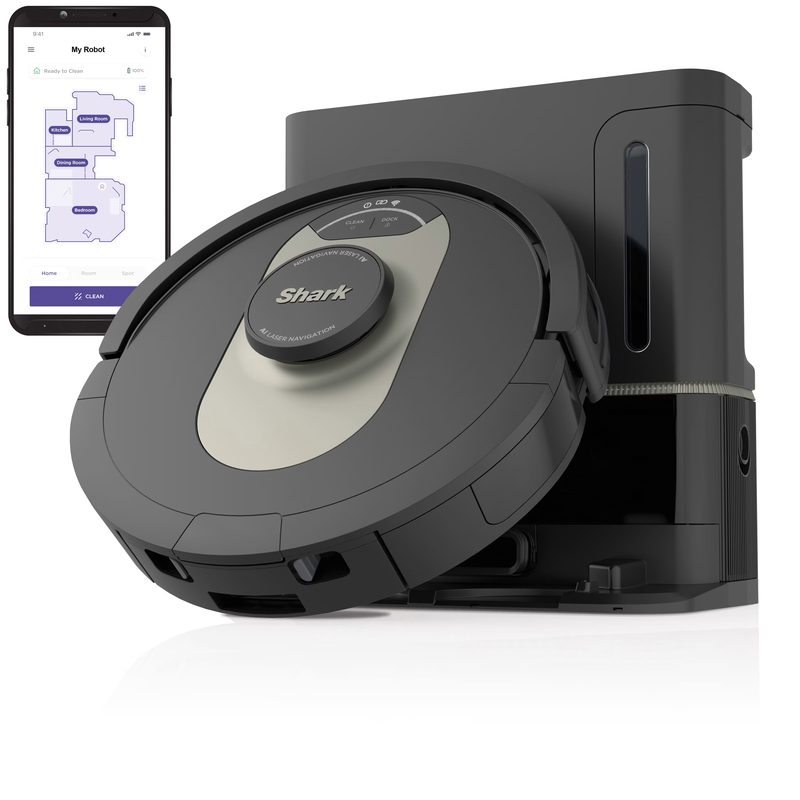
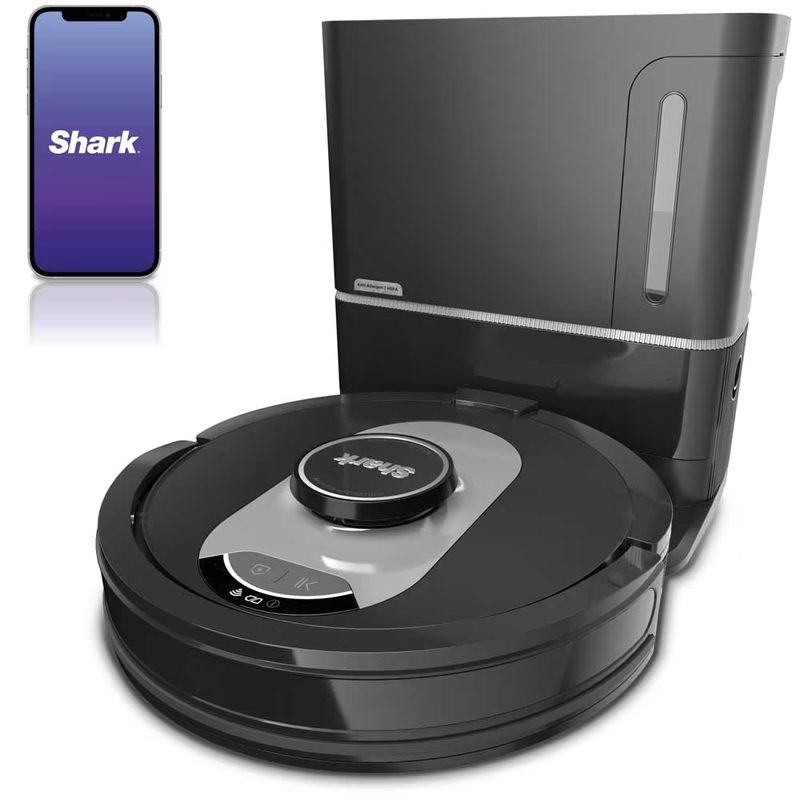
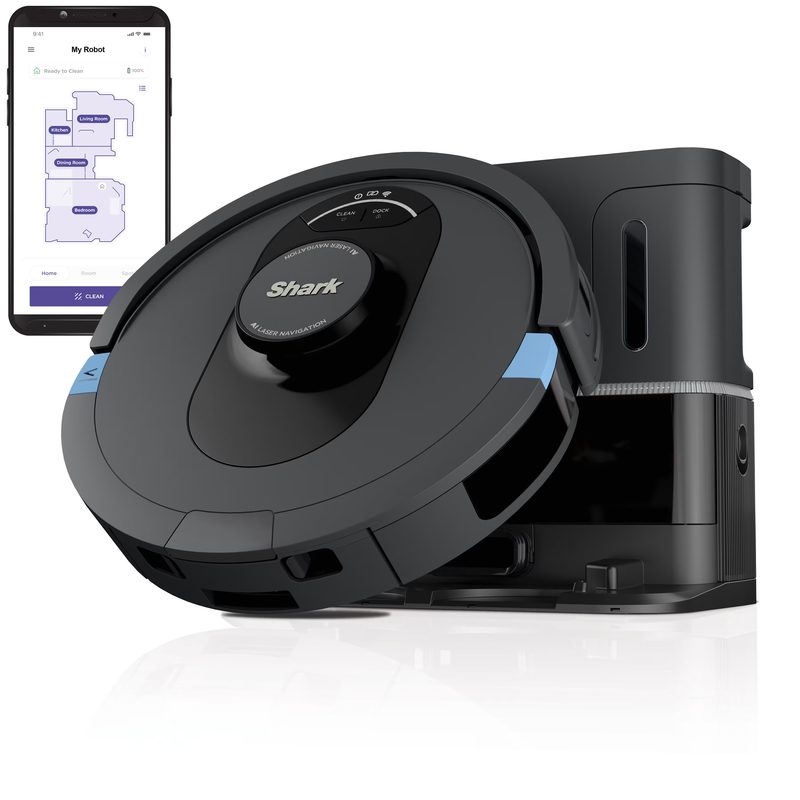
The data leaders at a glance
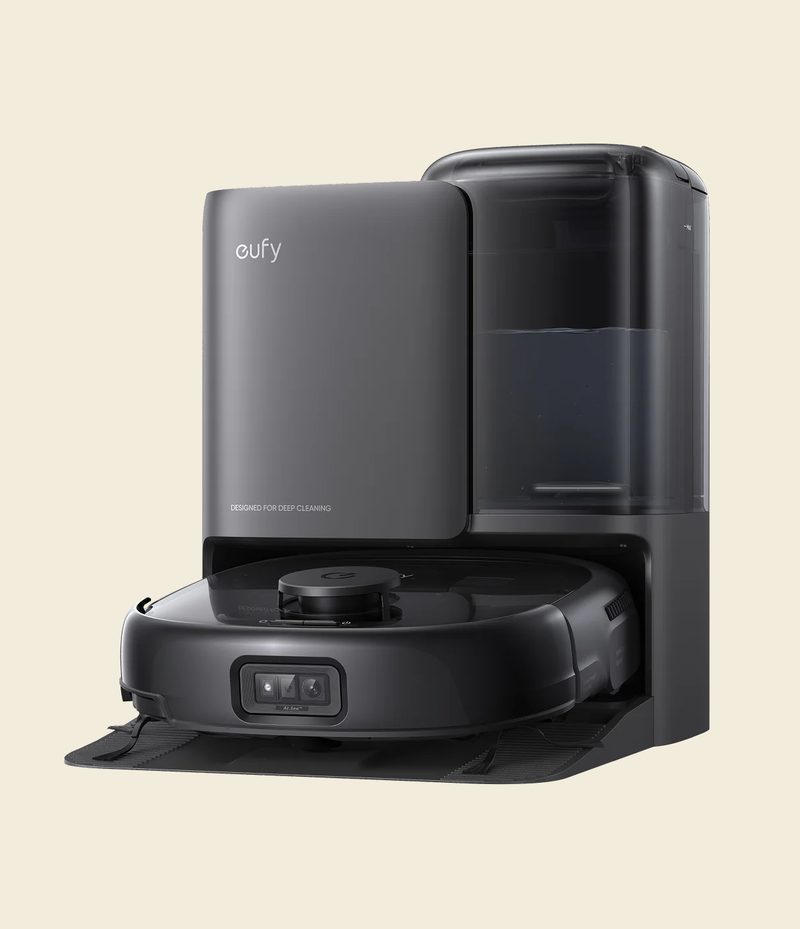
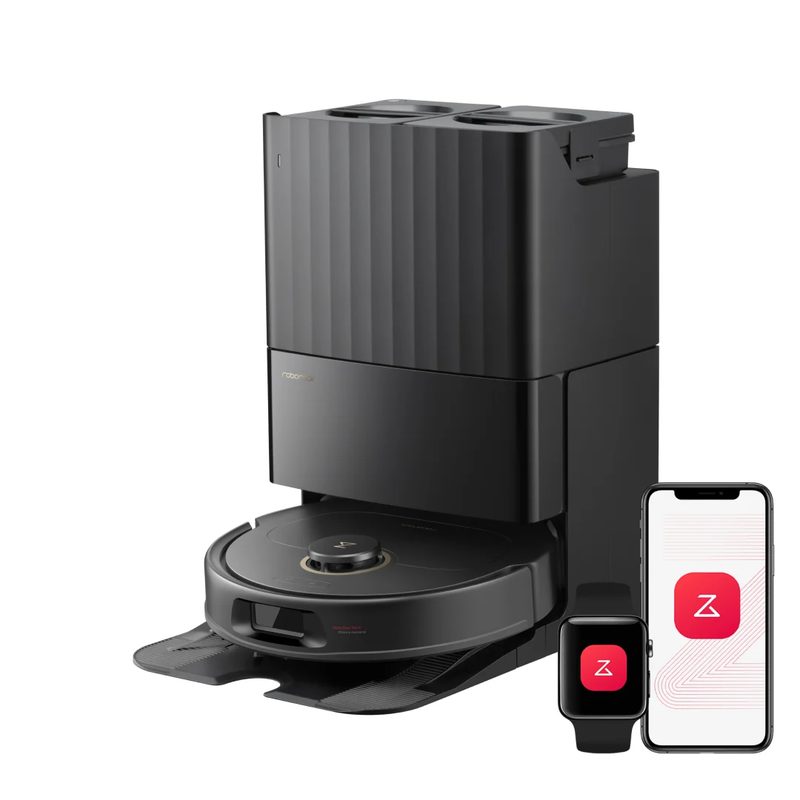
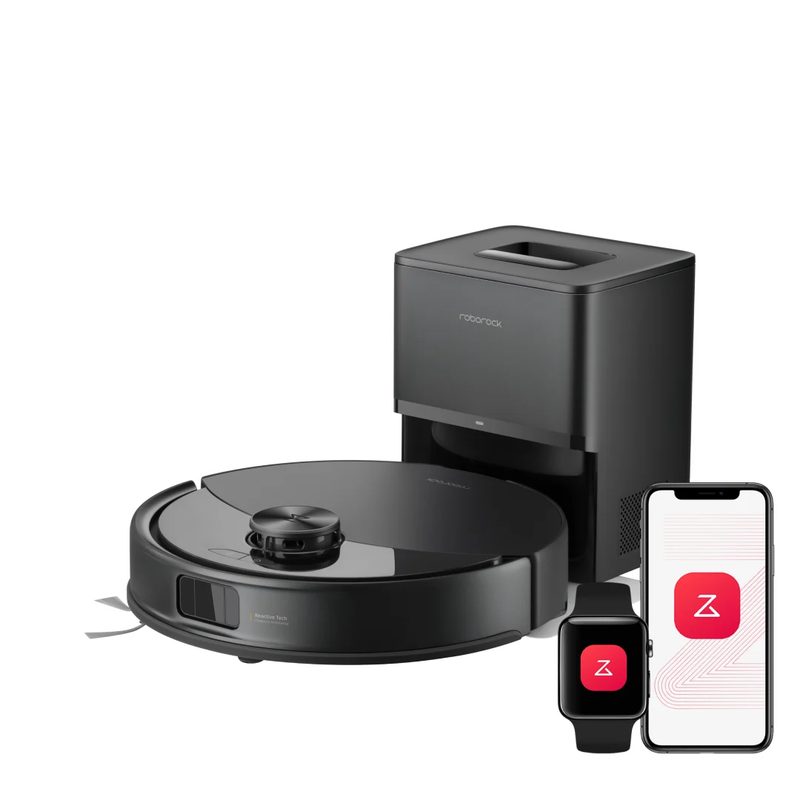
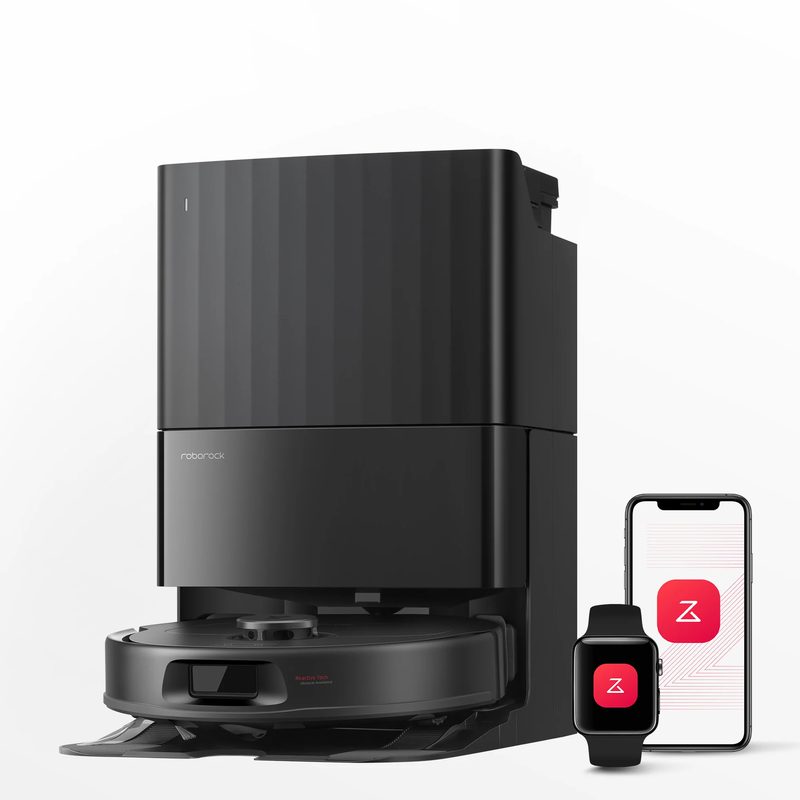
Three different ways to win: score, raw suction, and runtime.
A pascal measures pressure difference — how hard the vacuum pulls. Manufacturers quote the motor's maximum, not sustained suction at the floor head, so treat Pa as a ceiling, not a promise. Real pickup also depends on airflow path and brush design, which no listing numbers capture.
The tiers
Three suction tiers in our data
Across the 12 models we track, the field splits naturally: an entry tier doing daily hard-floor duty, a mid tier that adds low-pile carpet, and a flagship tier north of 8,000 Pa aimed at carpet, pets, and deep cleaning. The spread from 5,000 to 25,000 Pa is real — but so are diminishing returns past the point where your floors are already clean.
Hard floors only: the entry tier is enough — spend the difference on runtime or a dock.
Mixed floors or rugs: the mid tier is the sweet spot.
Carpet + pets: the flagship tier earns its spec sheet.
The tradeoff
When lower suction is the right call
Maximum suction drains batteries and adds noise. If your home is mostly hard flooring without pets, a mid-tier robot running daily will out-clean a flagship running weekly. Match the machine to the mess, not the marketing.
The data
Full spec comparison
Sorted by suction (Pa), strongest first. Missing specs show as — and are
excluded from that model's score with the remaining weights rescaled.
Full formula on the methodology page ↗
Source: official manufacturer specifications and Amazon
owner-rating counts, collected 2026-09-15. No prices, no sponsored
placements — ever. Bought from the merchant, backed by their warranty
and returns.
Tip: add any contender to your Amazon cart while you compare — it stays saved there, with no obligation to buy.